Testing, Testing…
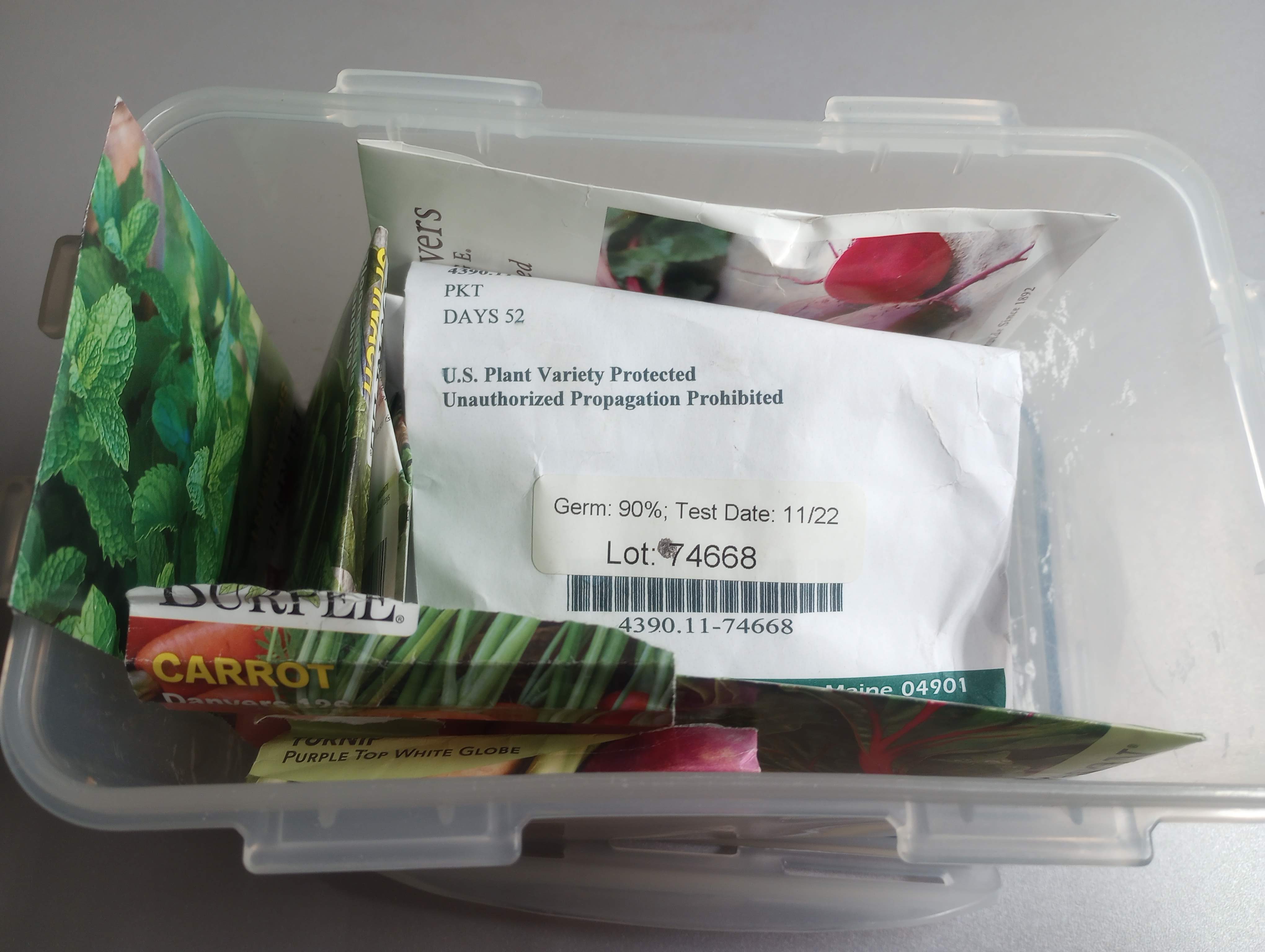
Just as we thought spring was on the way in central Massachusetts a series of winter storms dumped a thick white coating of reality on us.Winter is not going away anytime soon, it seems. While the soil is still covered in feet (yes FEET) of snow, I am busy getting ready for the 2026 growing season. I have plans both for the Food It Yourself garden, and also for the community garden I help organize with my worship community. For the last few years our community garden has been gifted seeds by a friend of mine who manages a locally owned and operated hardware store. She has given us so many seeds! We use the seeds to plant the community garden and we give seeds to community members who have gardens at home. We encourage members to “grow an extra row” to donate to our local food pantry.
Are the seeds I have from 2025 or 2024 still viable in 2026? Probably; most seeds have a shelf-life of two or three years. What about the cache of seeds from 2022 I just found in my laundry room? The answer is “maybe”. According to Guinness World Records, the oldest seed ever successfully germinated was a 2,000 years old date. Many factors affect the lifespan of a seed, including the type of plant and storage conditions. Ferry Morse Seeds posted this easy-reading article with both seed storage tips and typical seed life expectancies. I keep my seeds in mostly cool, mostly dark places. The humidity varies. What effect might that have on the sproutability of my vast seed stash?
Thankfully, there is a way to test seeds for viability. I found variations on multiple websites, but here are the instructions from Cornell University’s Agricultural Extension. For the cost of a few paper towels and zippy bags you can determine if your older seeds are still good to plant. How awesome is that?
I selected seed packets from varities of the crops that seem to be the most popular with our Extra Row Growers.
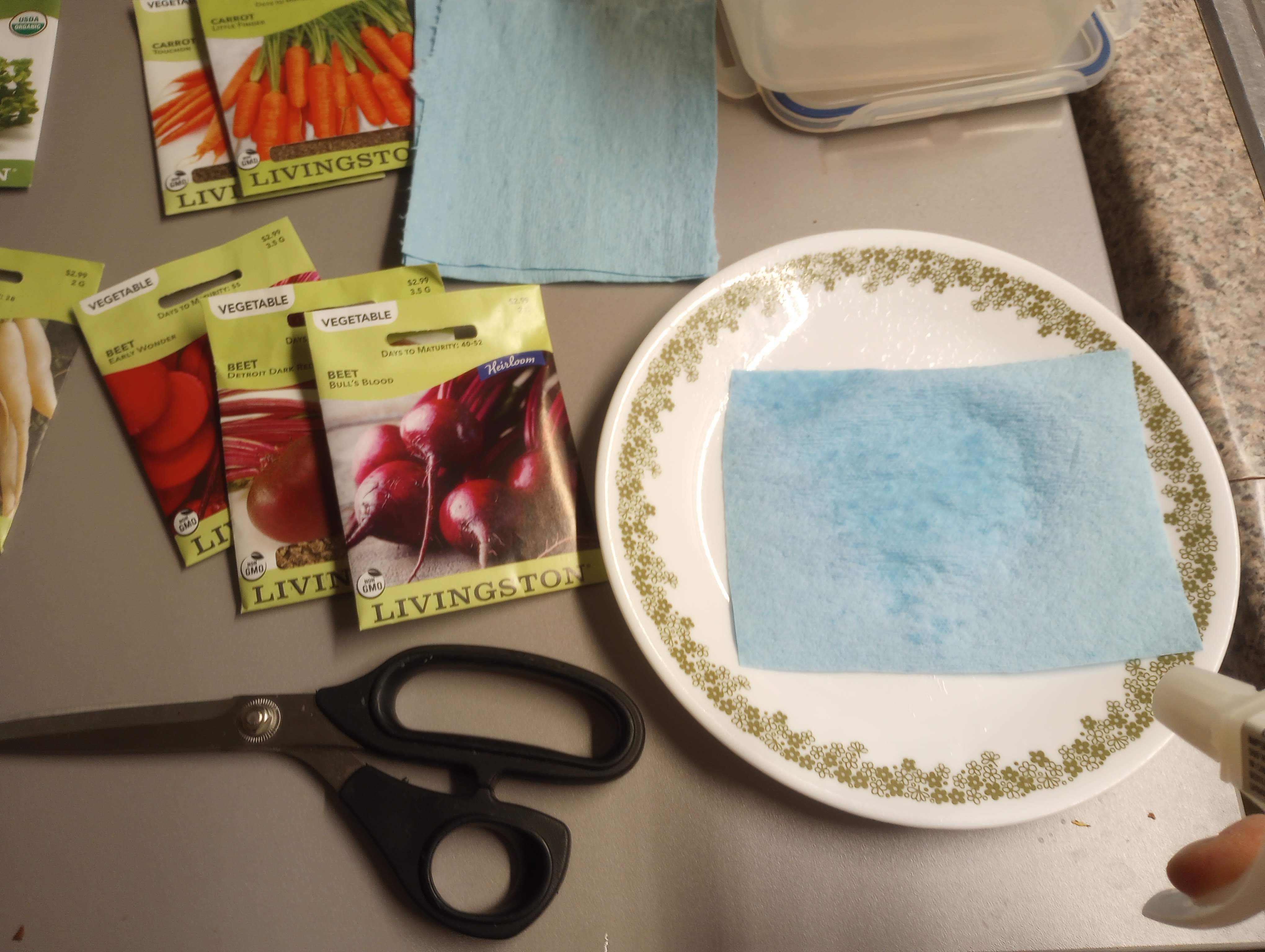
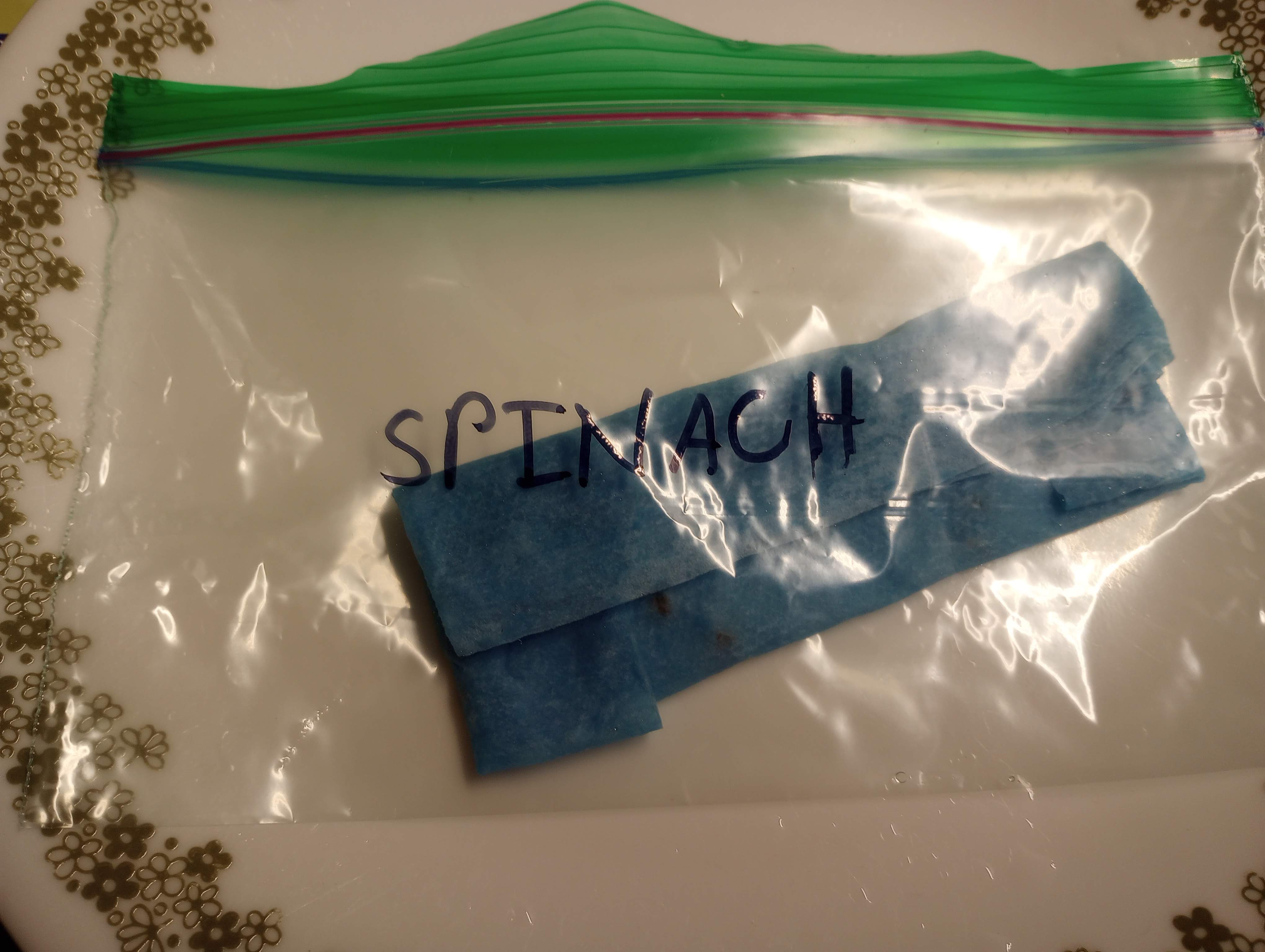
I started by getting all my supplies together. I cut some paper towels into quarters. One at a time, I sprayed s little water on the paper towels. I counted out 10 seeds of each variety (so a total of 30 beet seeds, for example), folded up the paper towels and sealed them into “snack-size” zippy bags.
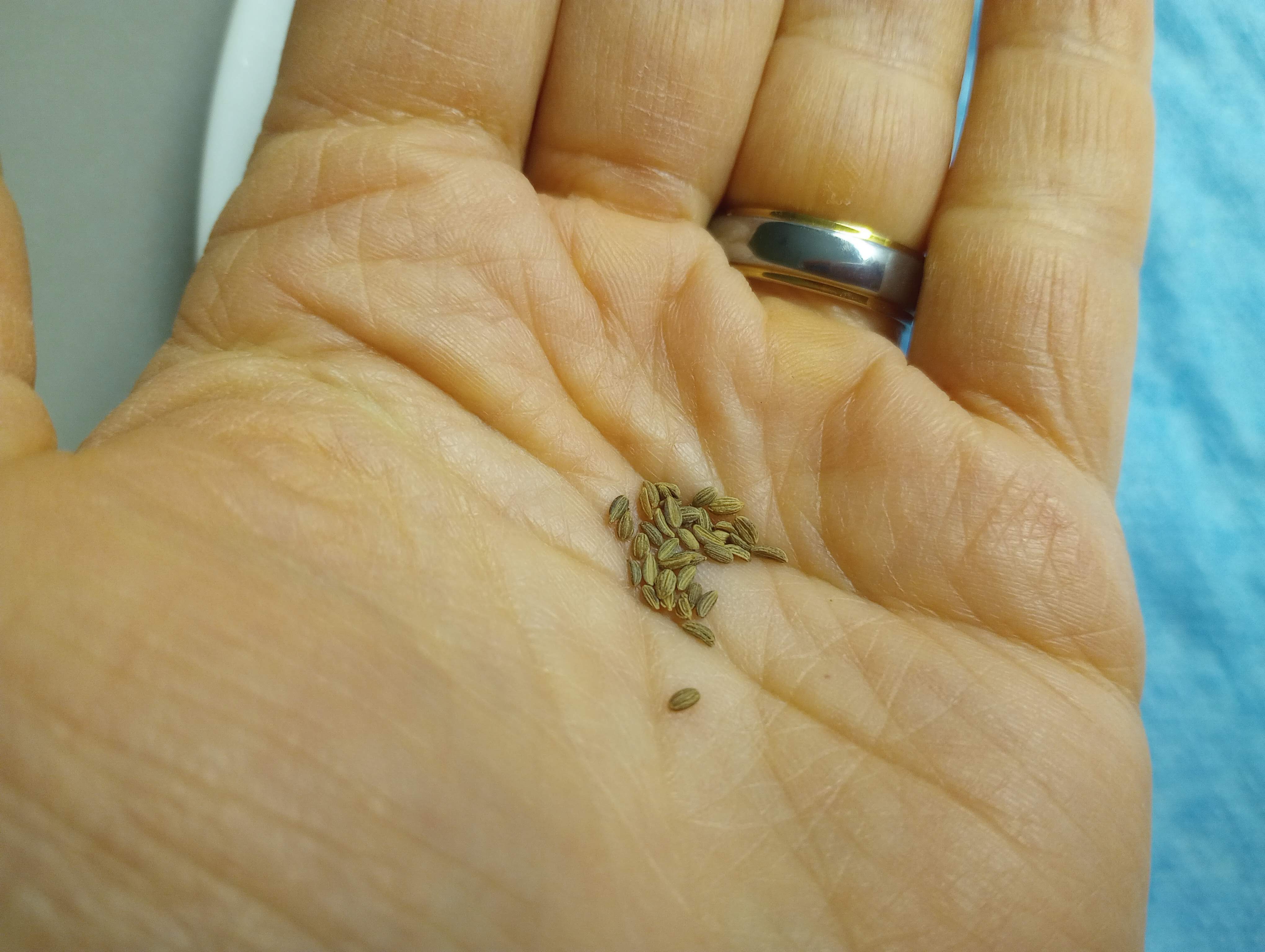
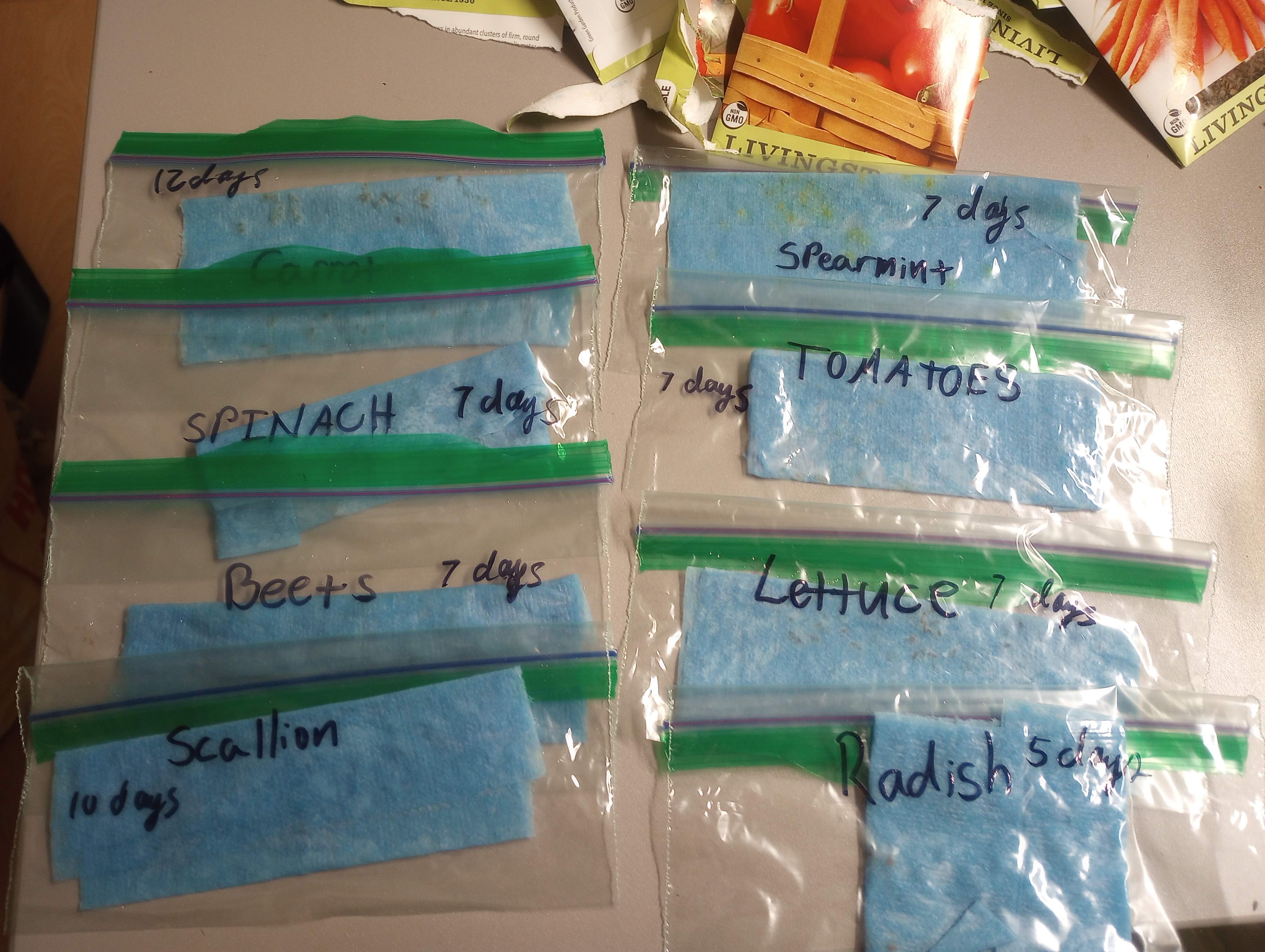
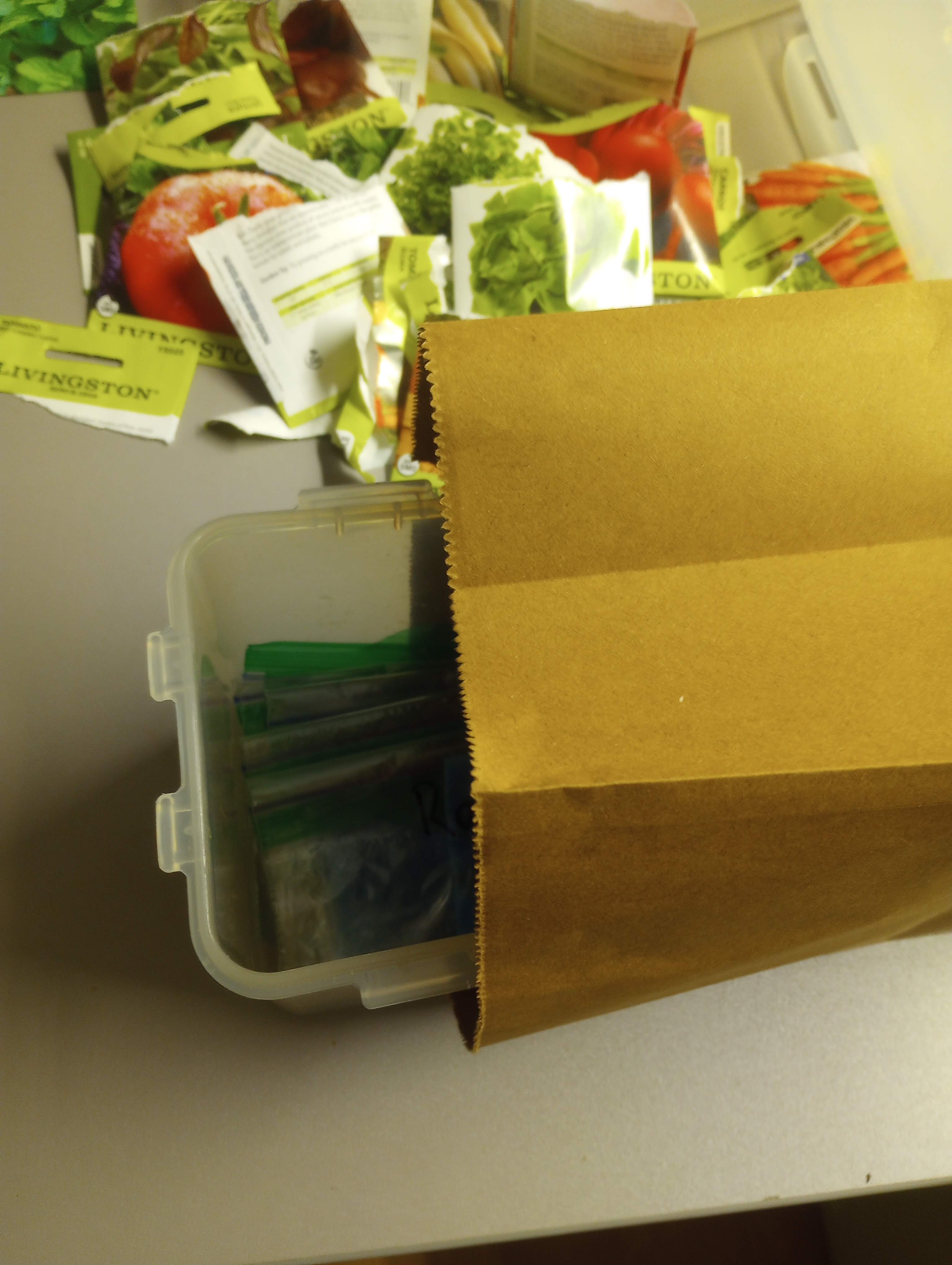
Then came the hardest part- waiting. Radishes sprout after five days, the packets told me. On day five I opened the radish bag to find…
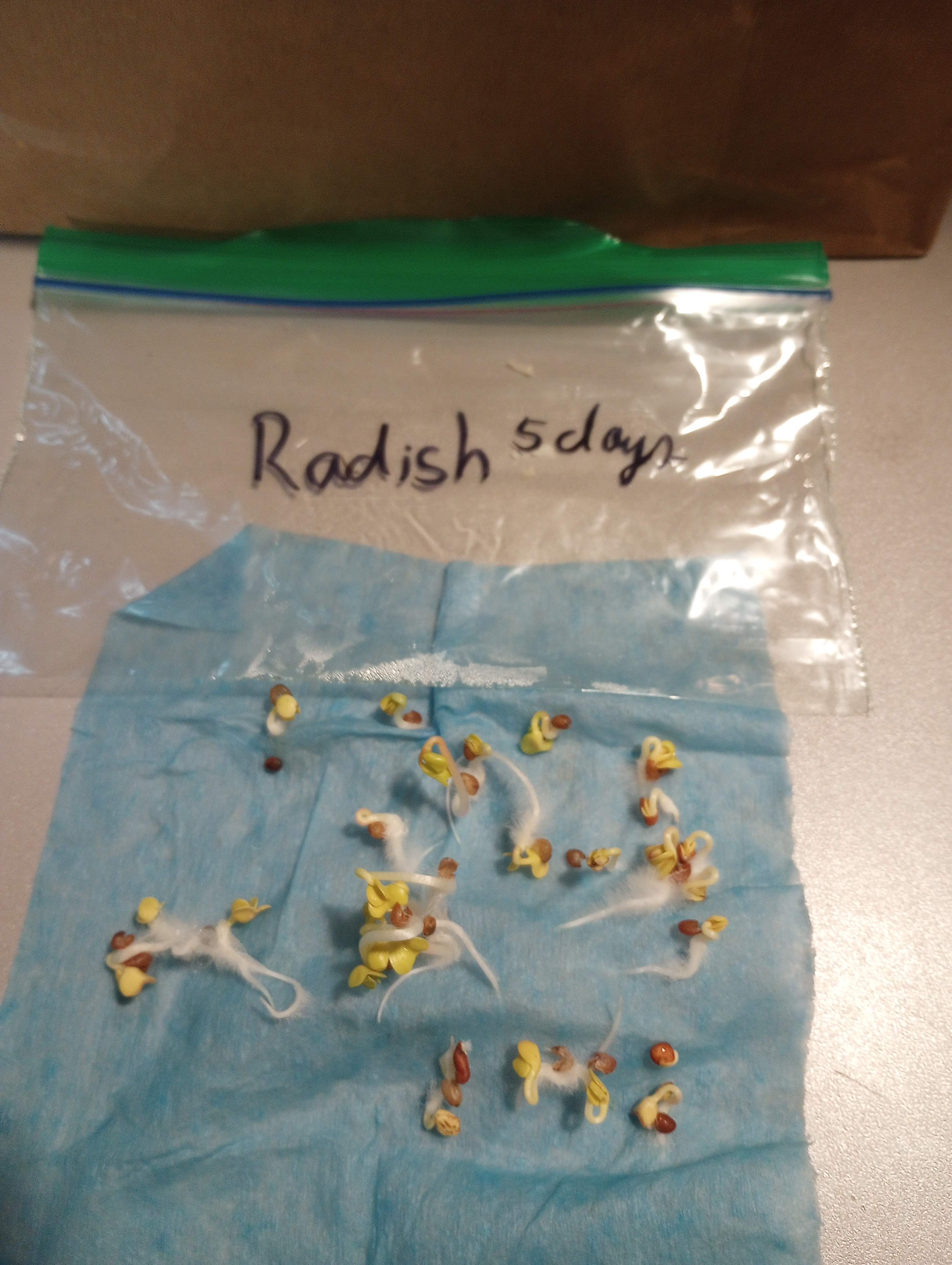
exceptional germination. Only one seed had not sprouted, and five days was the minimum expected germination time (5-9 was the range given). I found this encouraging. Most of the seeds were expected to germinate in about seven days. So, on day seven I took another look.
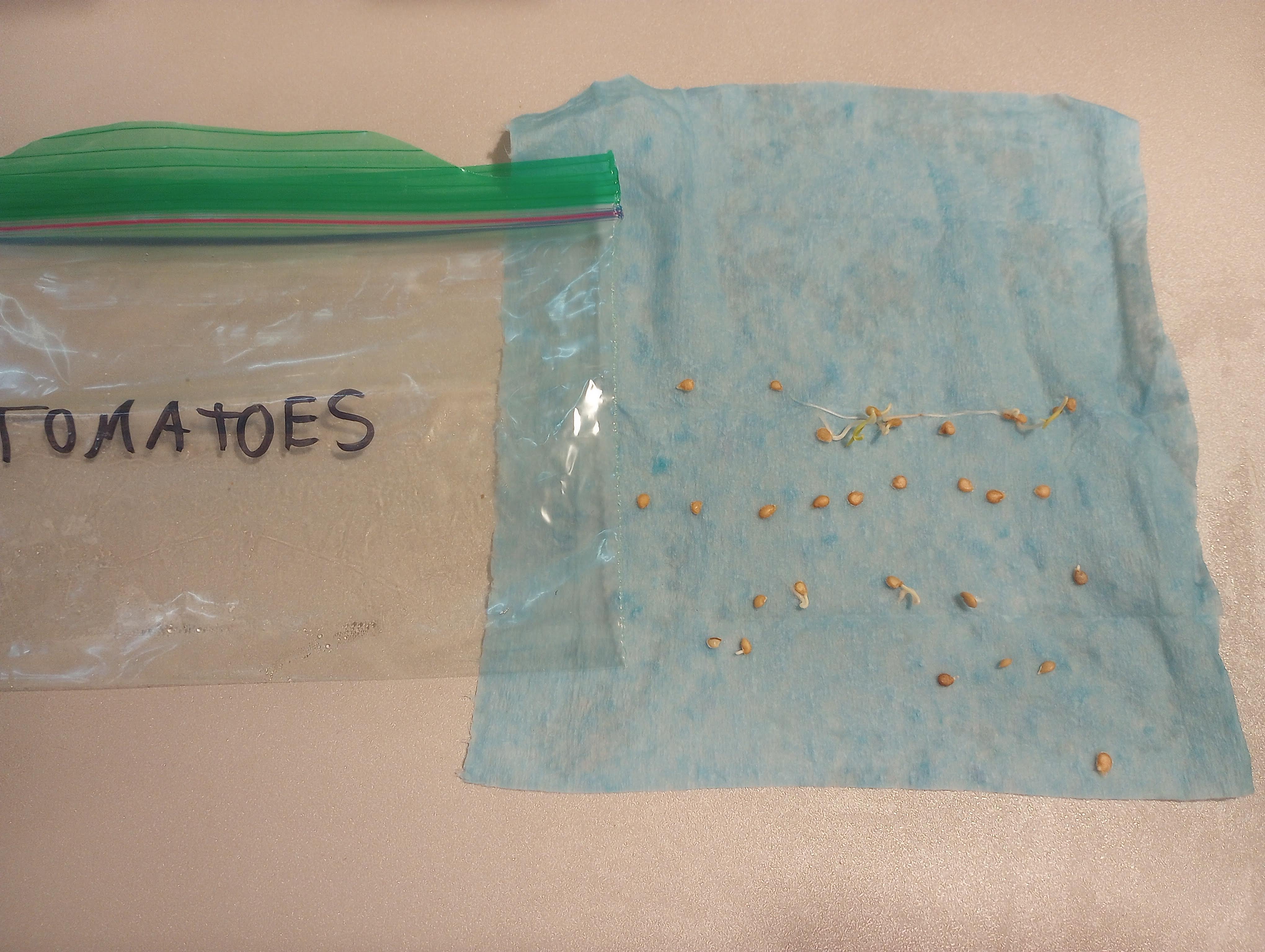
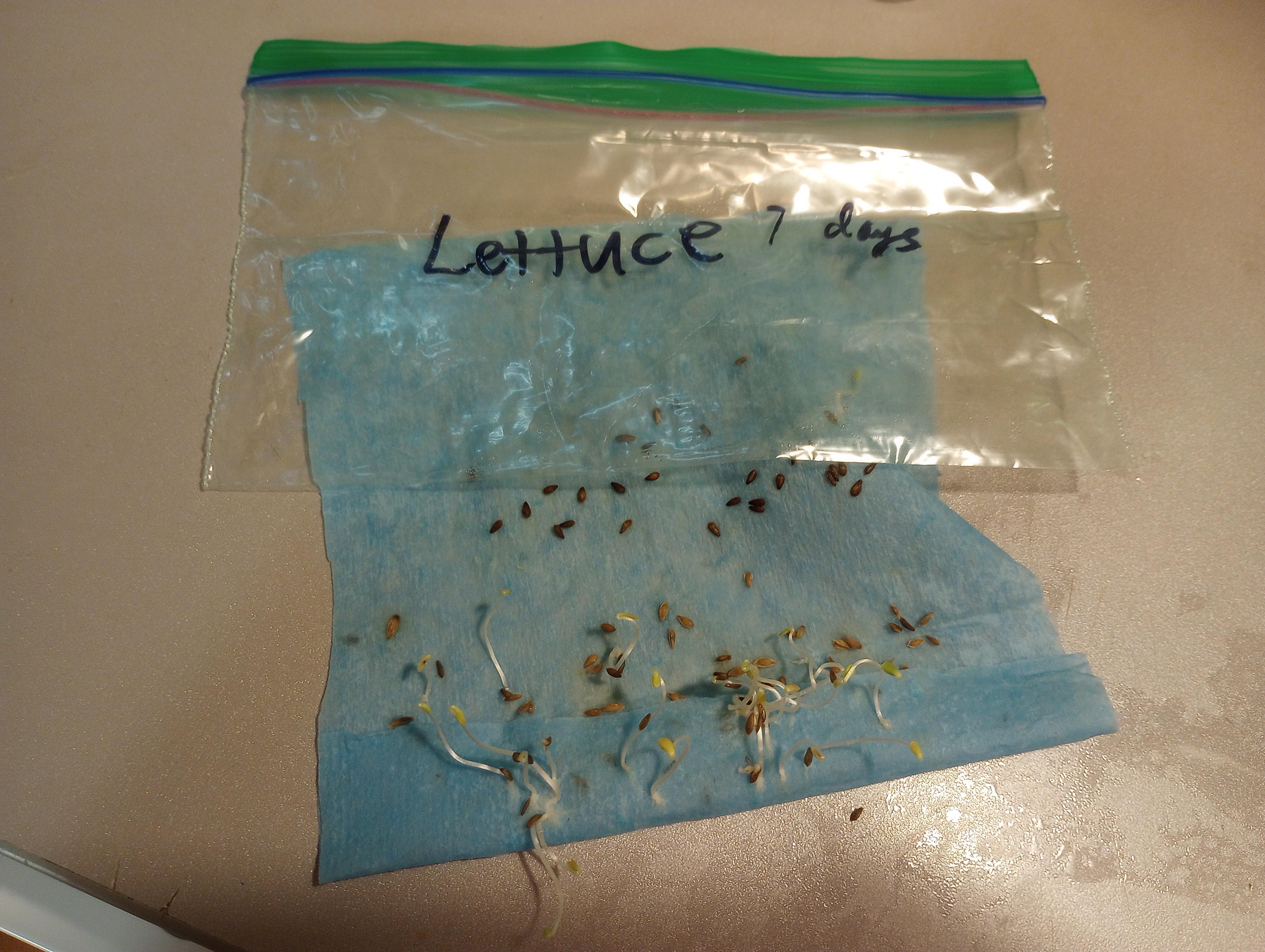
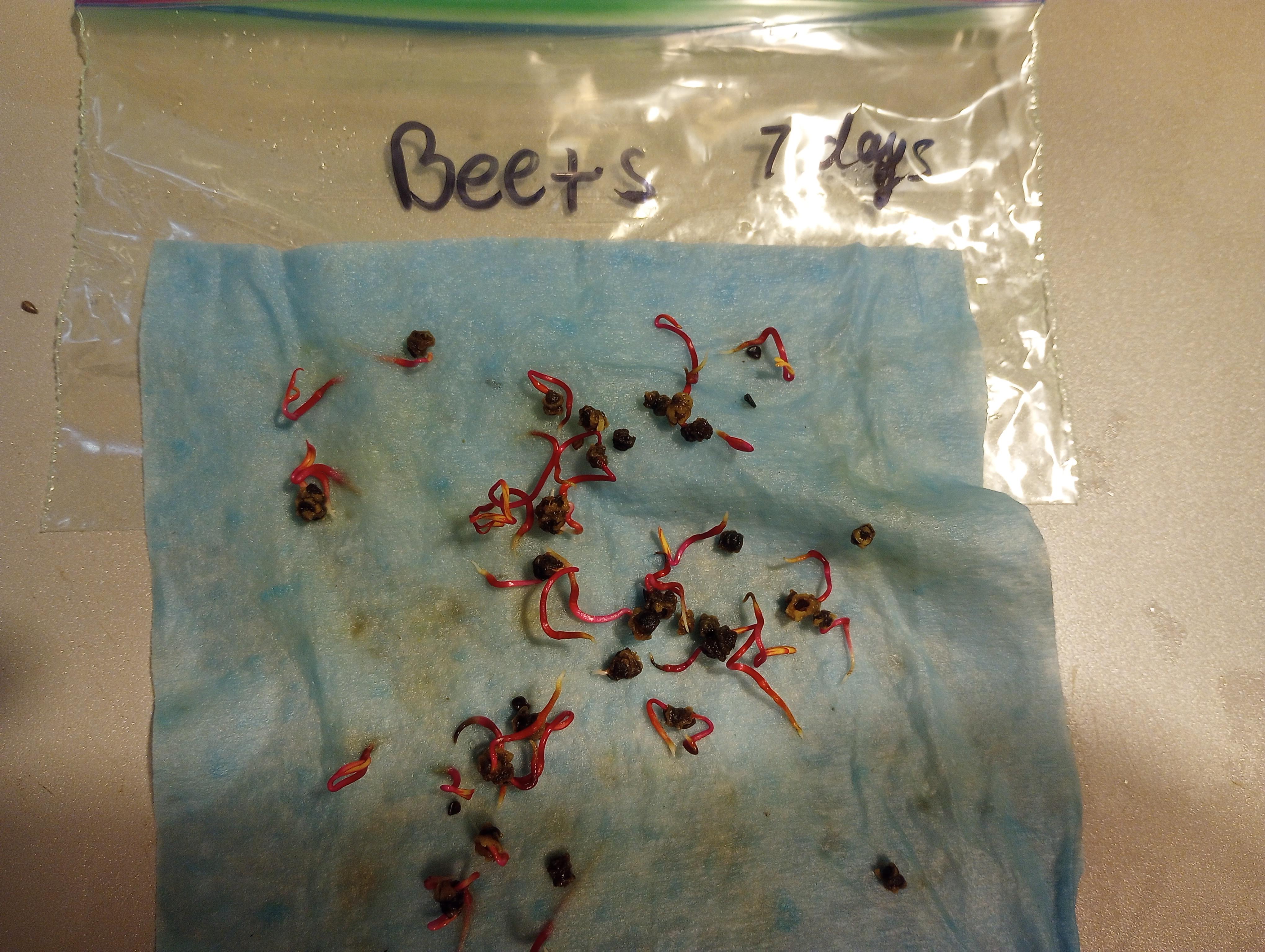
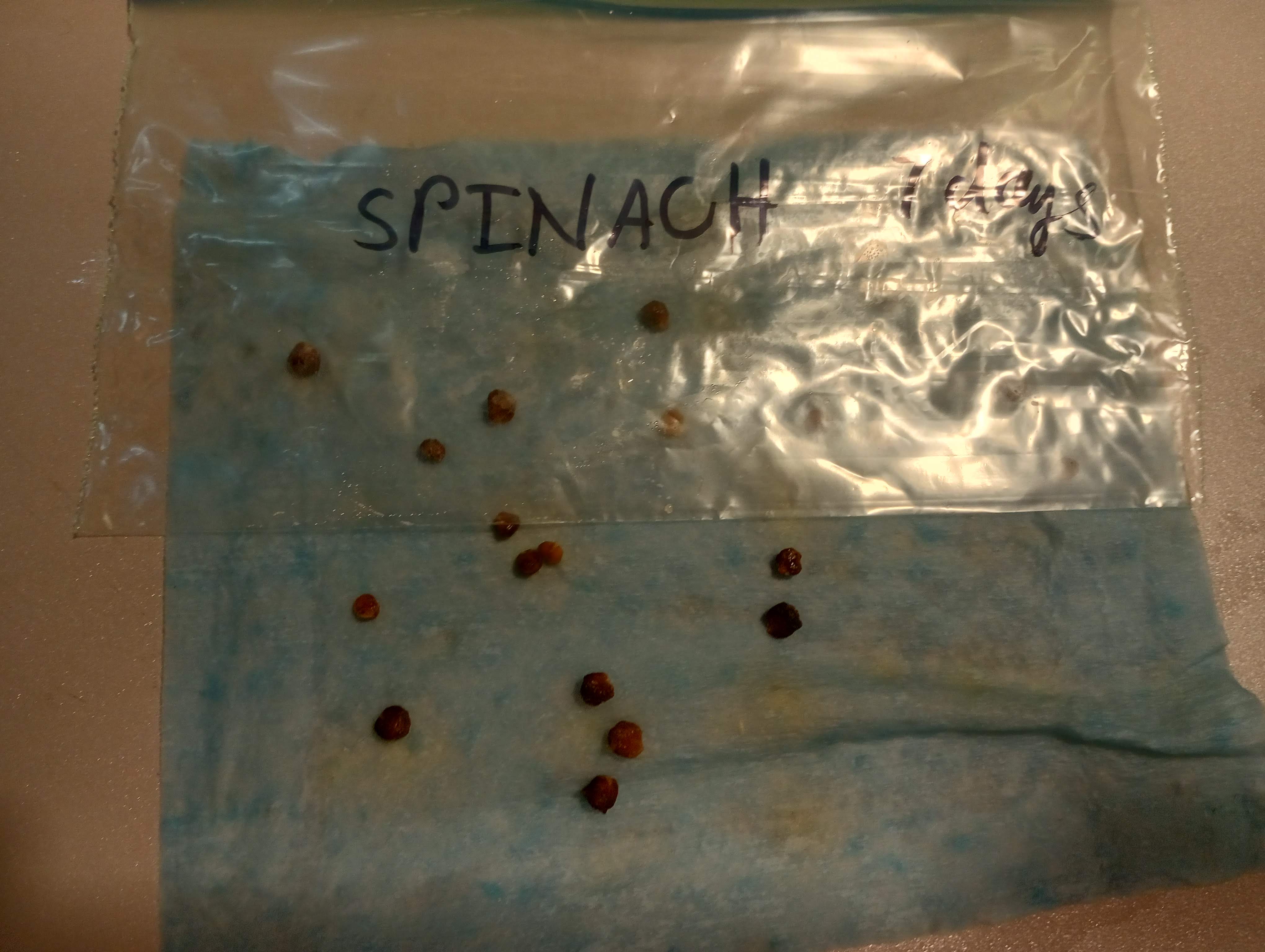
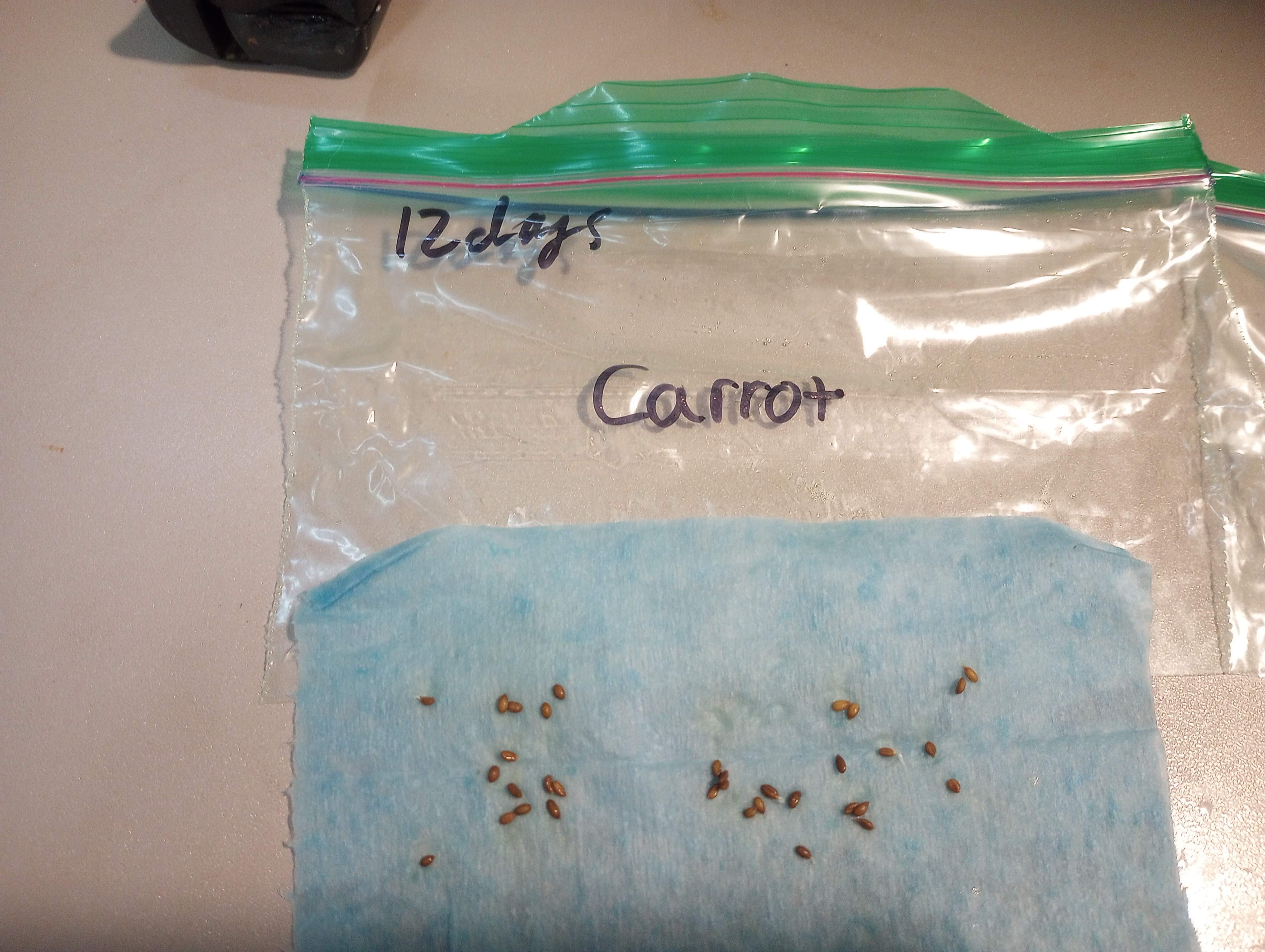
I checked the carrots early as you can see. From a distance they look like a failure, but if you magnify the photo, you can see the tiny sprouts.
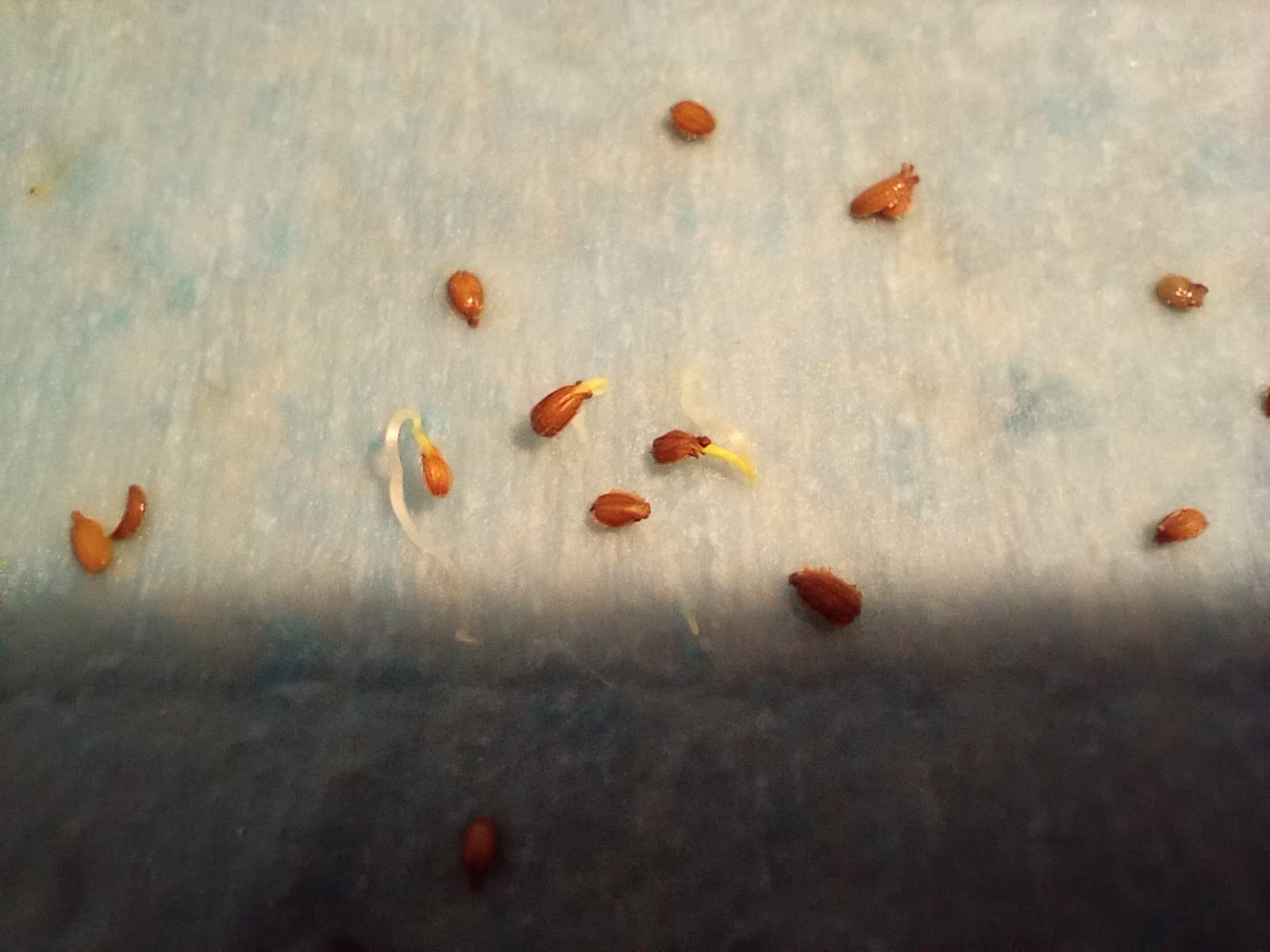
The spinach did not seem active, so I will probably not plant any. The scallions did not sprout yet; the packet suggested they would take 10-14 days, so I will double check them later this week. The oniony smell is strong, so I am hopeful. I am very impressed with the longevity of these seeds overall.
I like reducing waste when I grow my own food. I also like knowing the seeds I have can potentially be used for multiple seasons. What is your top tip for seed keeping or saving? Share in the comments!
