Awe Rats!
The Food It Yourself garden is loving the weather lately, which is a rare and precious thing in central New England. My herbs are doing very well. The cucumbers and turnips have sprouted, and I feel confident the squashes will be close behind. All of the tomatoes- ALL OF THEM- have taken and are thriving. The long-range weather forecast for this growing season looks quite good, with almost average temperatures and almost average rain fall for June, July, and August. (Note: I get all my long-range weather forecasts from The Old Farmer’s Almanac, like a proper New Englander.) Best of all, we have strawberries.
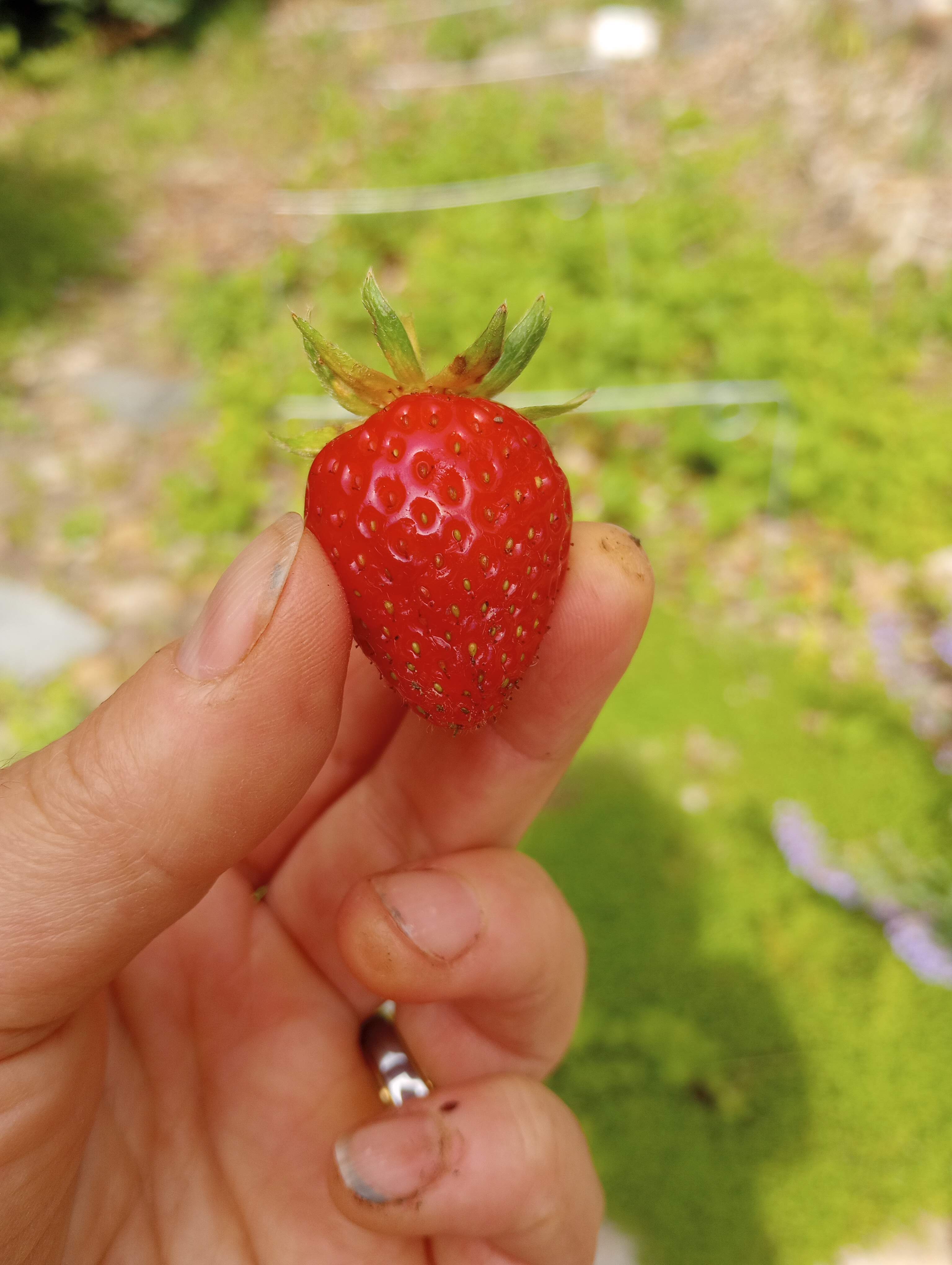

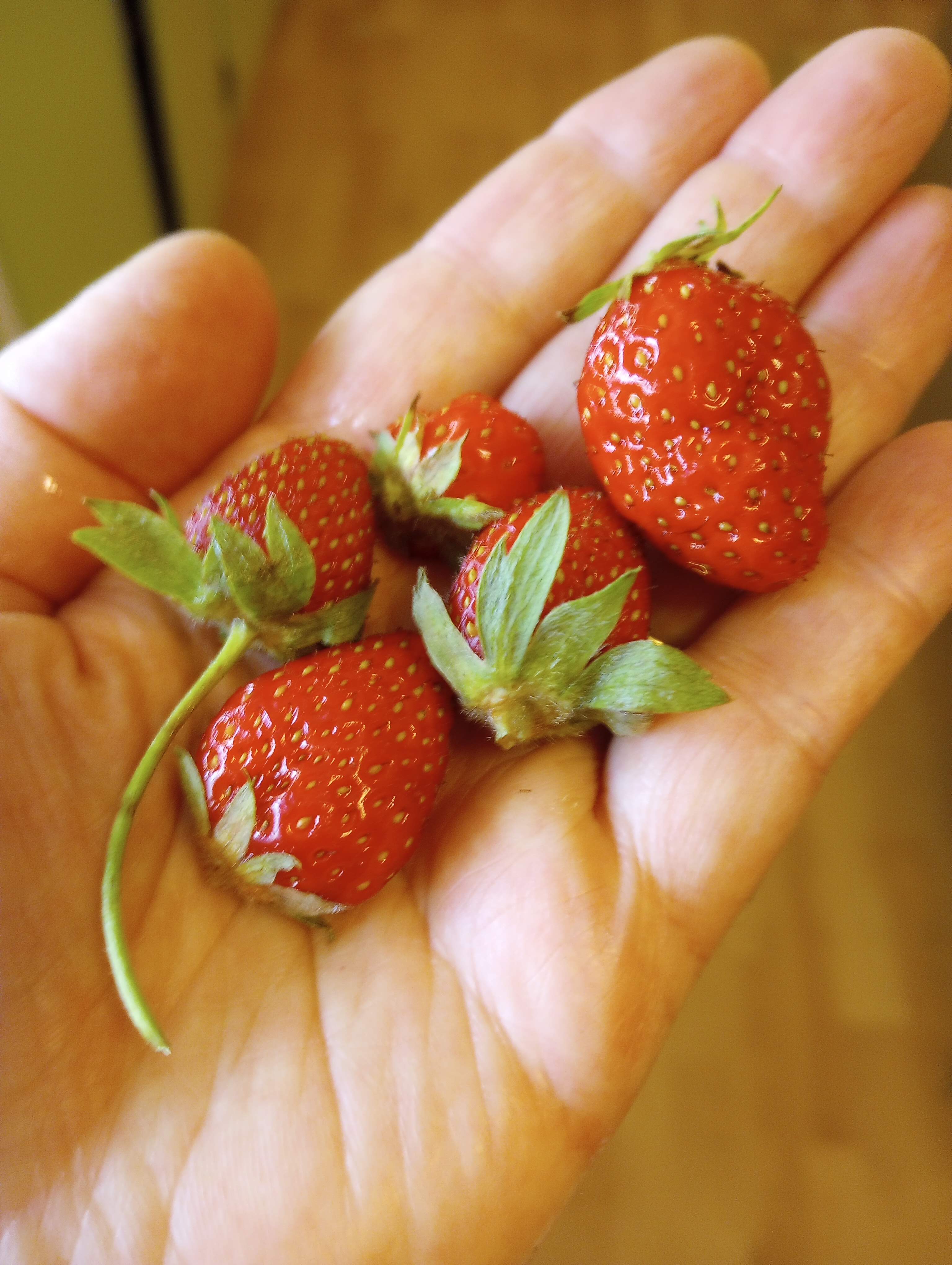
From left to right, you can see: the first ripe strawberry which I ate myself, the second ripe strawberry which an evil chipmunk somehow pilfered despite my clever use of bird netting and tent stakes, and the first handful of ripe berries which I shared with Mr. Food It Yourself. The lesson learned is that my chipmunk baffling efforts are not perfect, but they are mostly effective.
Unfortunately, we have another rodent issue. Indeed, our town has a rodent issue. We have rats. Rats are known as problematic pests in urban areas, where they live off trash and pizza. However, rats are highly adaptable. They have made themselves at home in many smaller towns, including those of central Massachusetts. Chicken coops and other animal enclosures offer food, water, and protection from predators. The rats will then stress out your animals and potentially spread diseases and parasites. Last week, Mr. Food It Yourself noticed a few them enjoying some water and snacks in the chicken run at night.
How did those crafty critters get past the electric fencing and half-buried hardware cloth? I was wondering that also. Today, while I was cleaning the chickens’ water bucket I noticed this.
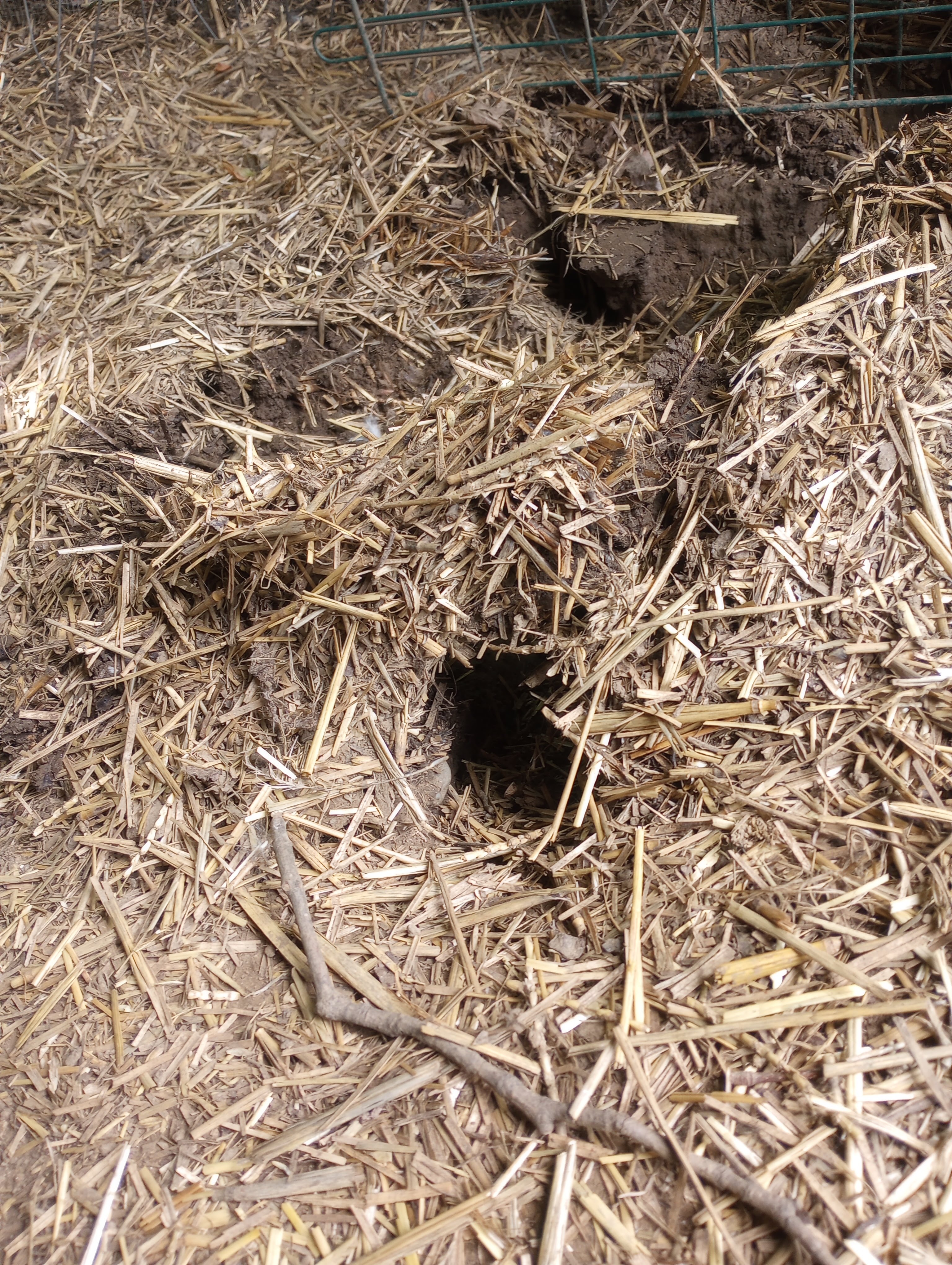
They are tunneling their way in, it seems.
Here is the big problem. We need to discourage the rats without harming the birds. Making sure there is nothing to attract rodents in the run is the first line of defense. We switched to a metal, treadle-style feeder a few years ago. We will have to make sure there is no spilled food around it in the evening. Also, we will need to limit the treats we give the hens in the afternoon and evening. Anything they do not eat by nightfall will attract rodents.
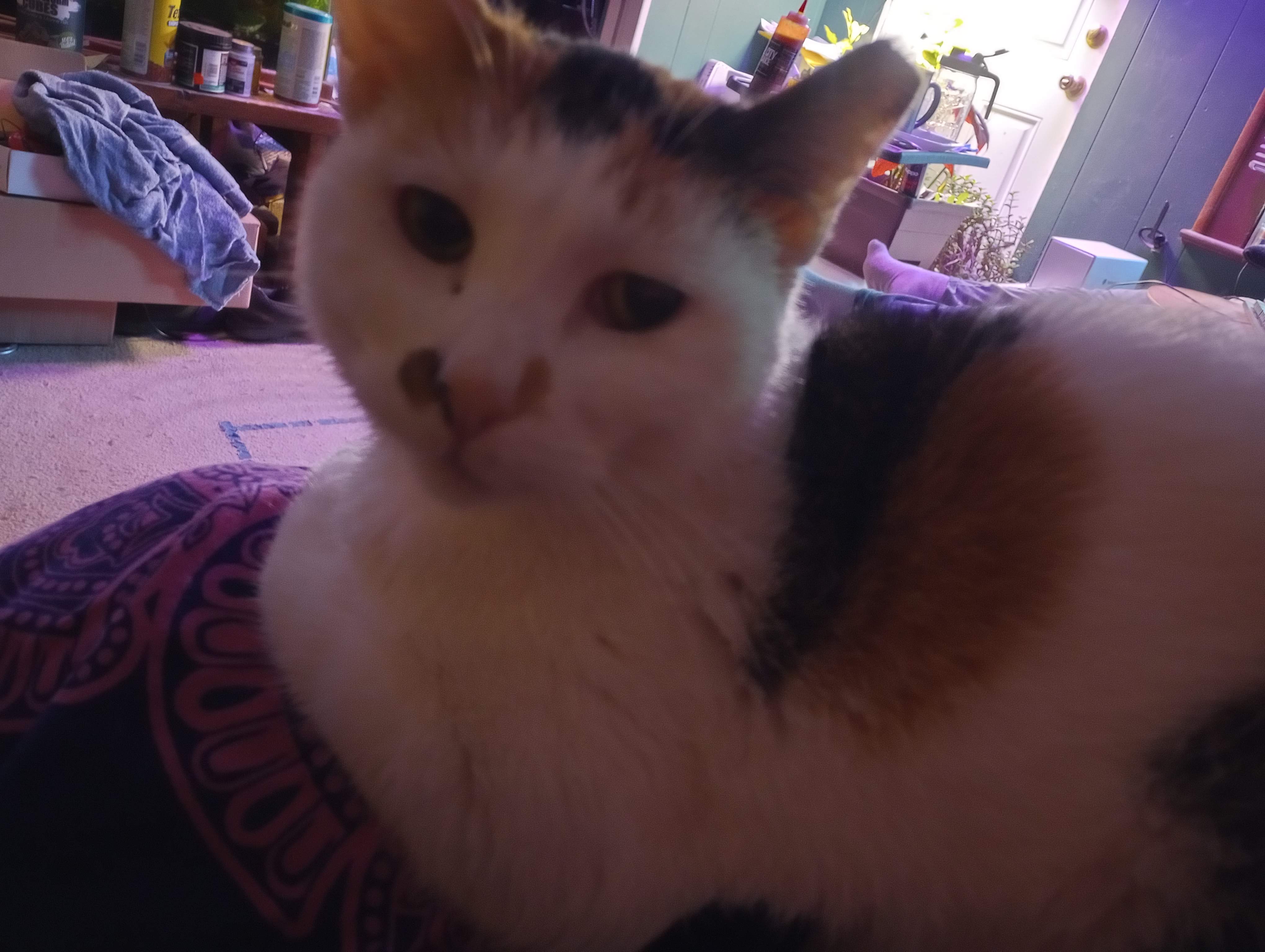
An effective way of controlling vermin of many kinds, I have found, is making the place seem dangerous. I collapsed the end of the tunnel that was in the run. Before I did that, I added some items I removed from D0ttMaxtrix’s litter box. My hope is that the combination of ruined architecture and predator scent will frighten the rats enough that they will find another place to hang out. If it does not work we will have to escalate.
Managing your personal food supply means working with nature. Sometimes, it means keeping nature out of your food production areas. What challenges have you faced this season? Share in the comments!
