It’s Not About The Money

I have been busy, as usual. One of the reasons I have not been busy with this blog is that I am currently busy fixing up the spare room in my house. We did not have the opportunity to do this when we first purchased the house 15 years ago. Yes, it took us some time. Good things are worth waiting for, right? Mr. Food It Yourself and I pride ourselves on both our DIYet skills, and our DIY skills.
If you are a social media user, you have probably seen your share of gardening memes showing packets of seeds or six-packs of seedlings with captions like “18 months and $300 later, we harvested one 12¢ tomato”. Those memes bother me. Yes, getting food from sources other than the grocery store has some upfront cost for supplies, but it does not need to be a budget breaking endeavor. In fact, there are plenty of low- and even no-cost ways to add not-store-bought food to your DIYet. Here are some of my favorites.
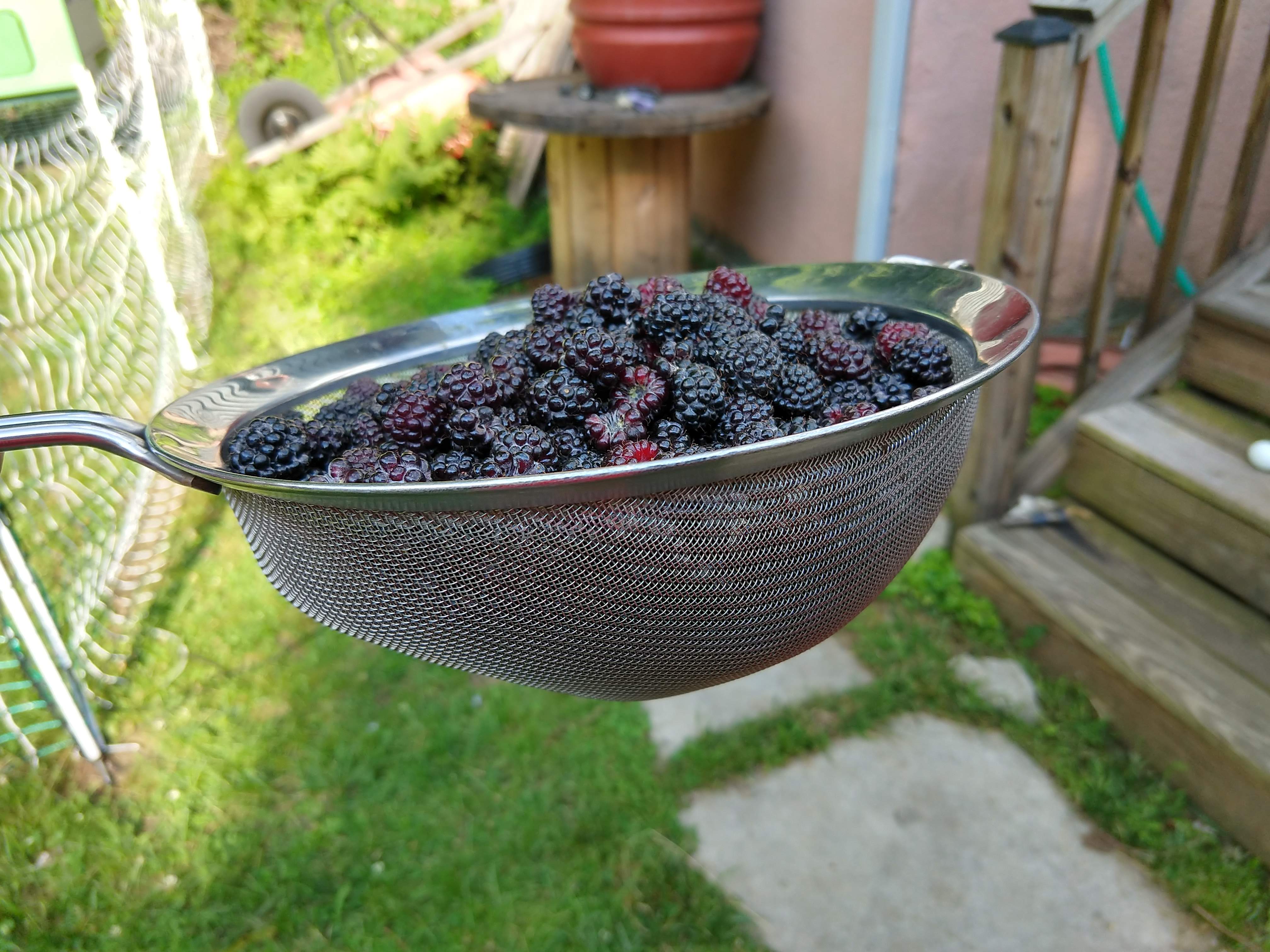
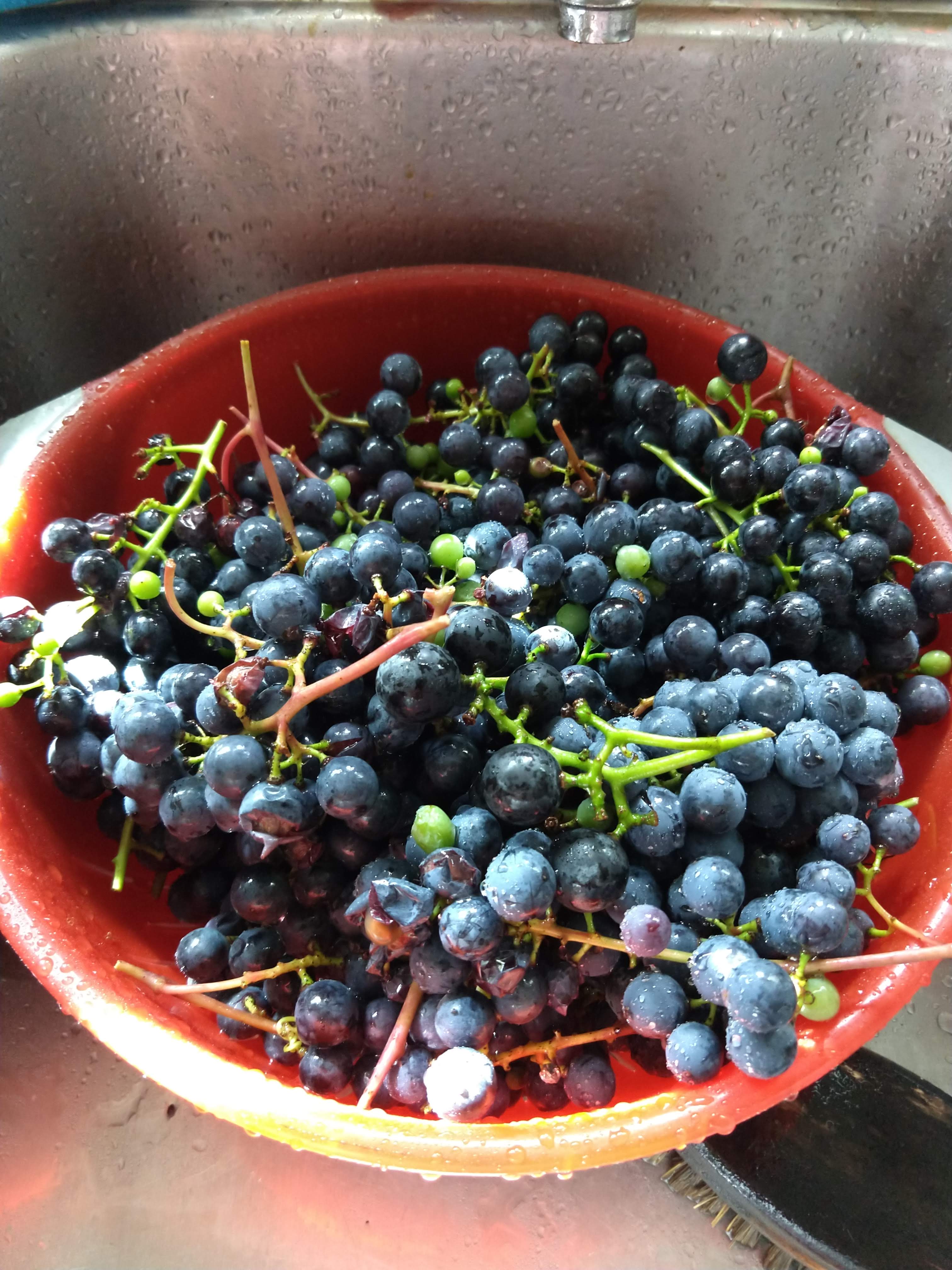
There are plenty of foods you do not need to plant and tend at all. Yes, foraging can be a little scary at first. If you remember the three most important rules of foraging, you will be just fine, I promise. First, forage only on land where you have permission to be. Second, be absolutely sure of the identity of the plant you are harvesting. Third, make sure the area where you are foraging is not contaminated by road run-off, landscaping chemicals, or similar potential toxins. If you like spending time outdoors, you may as well get some snacks out of it. Here are some more foraging tips from Florida’s PBS station, WEDU. We have raspberries and grapes that grow at Food It Yourself HQ with no help from us. I have found cranberries, crab apples, and blueberries on public lands near by. What a sweet way to get a free lunch.

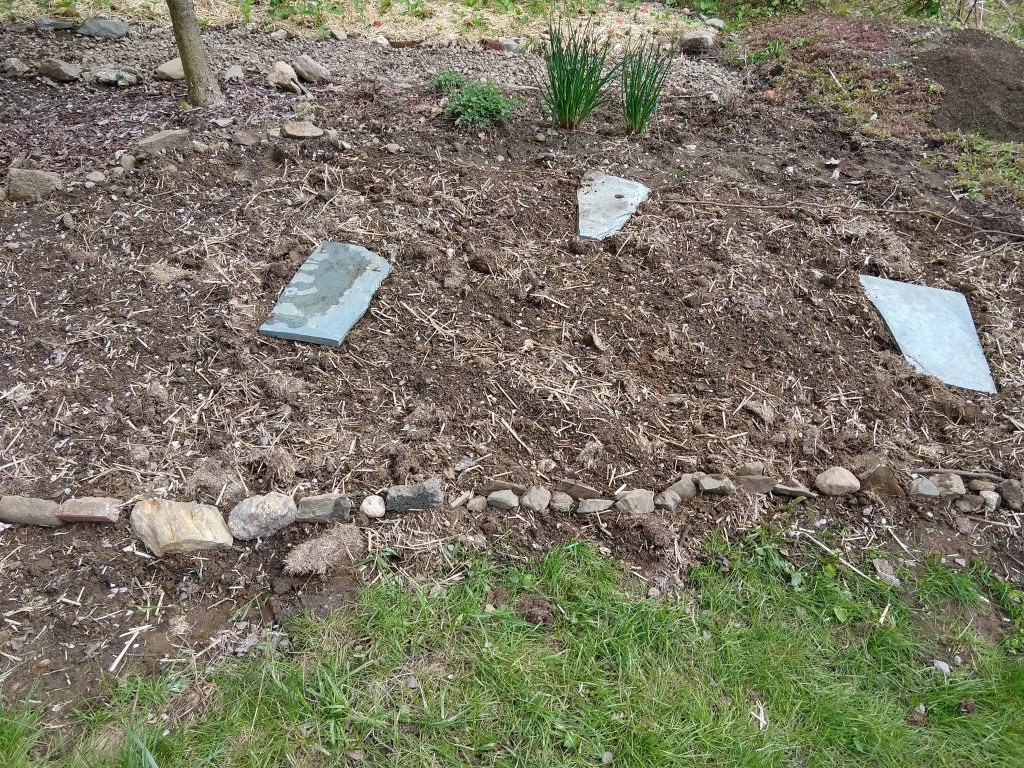
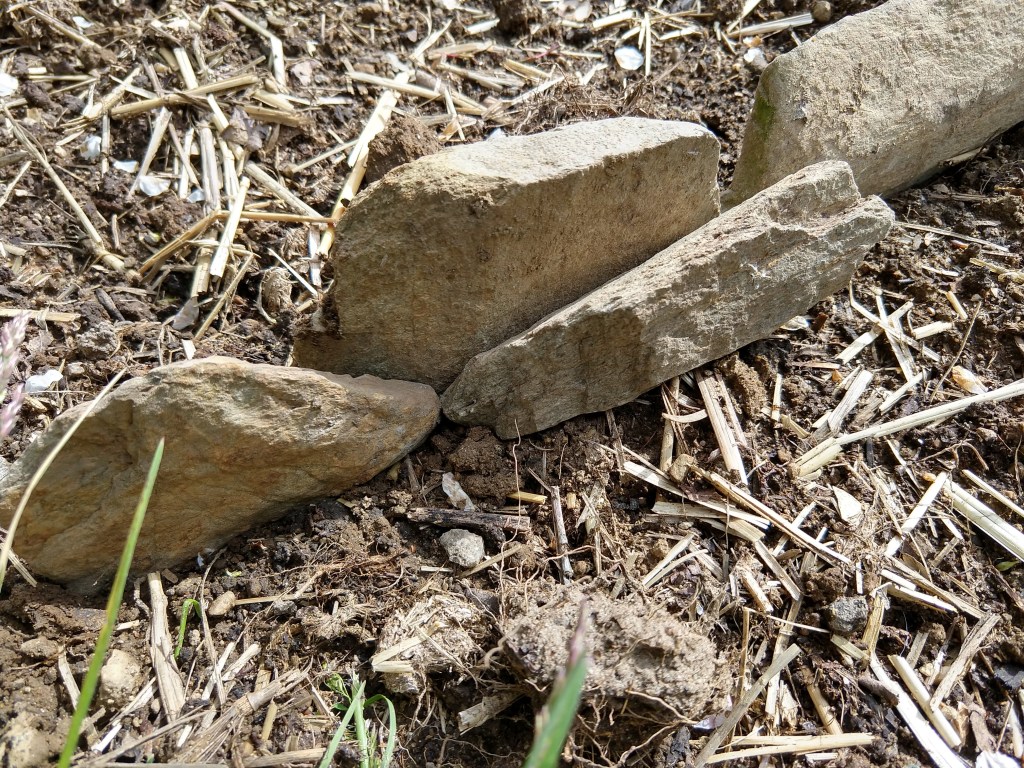
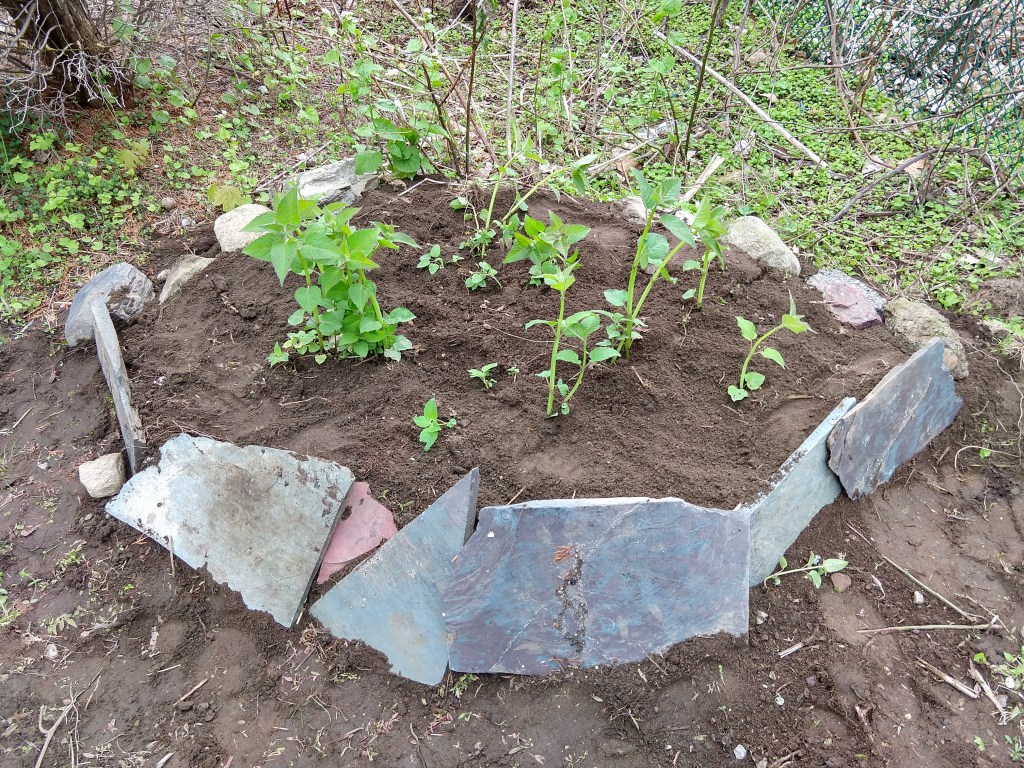
Rocks and sticks have a zillion uses or more. Need to weight something down or prop something up? Rocks are the perfect choice. Sticks can become a trellis for vines to climb. Both sticks and rocks can define the border of a planted bed. The are very easy to find and zero cost. You can even make a game out of gathering rocks or sticks and get some younger folk involved.
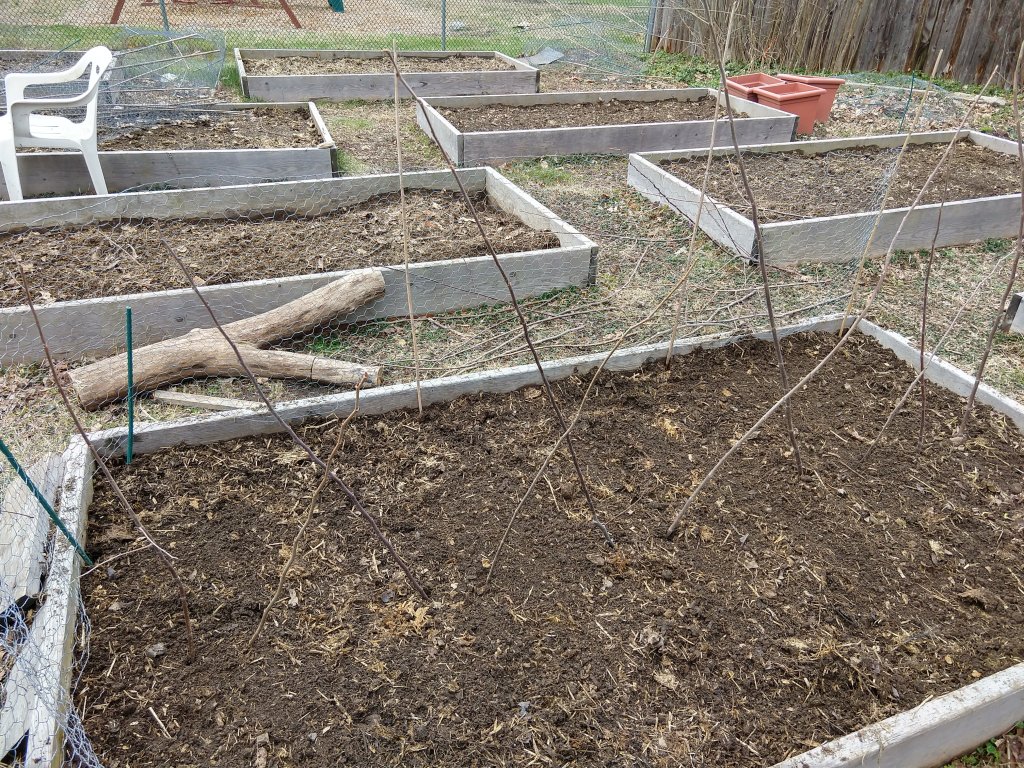

Re-purposing items that would otherwise go to waste is a long standing tradition in home food production. My favorite plant ties come free with heads of lettuce from the grocery store. I save them during the winter when I have to buy salad veggies. They are easy to cut to the needed length to keep my tomatoes upright on their sticks.
Seed starting supplies can be expensive, but anything that holds a little dirt can be used to start seedlings. I have used take-out containers of many shapes and sizes to grow seedlings. Here are instructions for making a miniature green house from a milk jug. Here are some other ideas for upcycling household items into planters.
Fertilizer can be another significant cost for a home gardener. Composting yard waste and kitchen scraps can reduce or eliminate your need to buy fertilizers. I could go on and on about how amazing composting is for your garden, but the University of West Virginia Agricultural Extension has already laid it out on this page.
I am not sure there is a way to make gardening completely cost-free, but there are many ways to keep costs minimal and still get s good harvest. I am sure every DIYeter with a garden has plenty of money saving tips. Share your favorites in the comments. While we are sharing, what have you found to be worth spending a little extra on?