What The Fluffle?
Just when we thought the New England weather couldn’t New England any harder, it did. We had some delightfully warm days. We had some much-needed rainy days. We had some frosty nights, but nothing too harsh or unexpected. The spring peepers started chirping. My daffodils started to pop up. On April 4th, that pomegranate tree I ordered in January arrived and I planted it. Check this out-
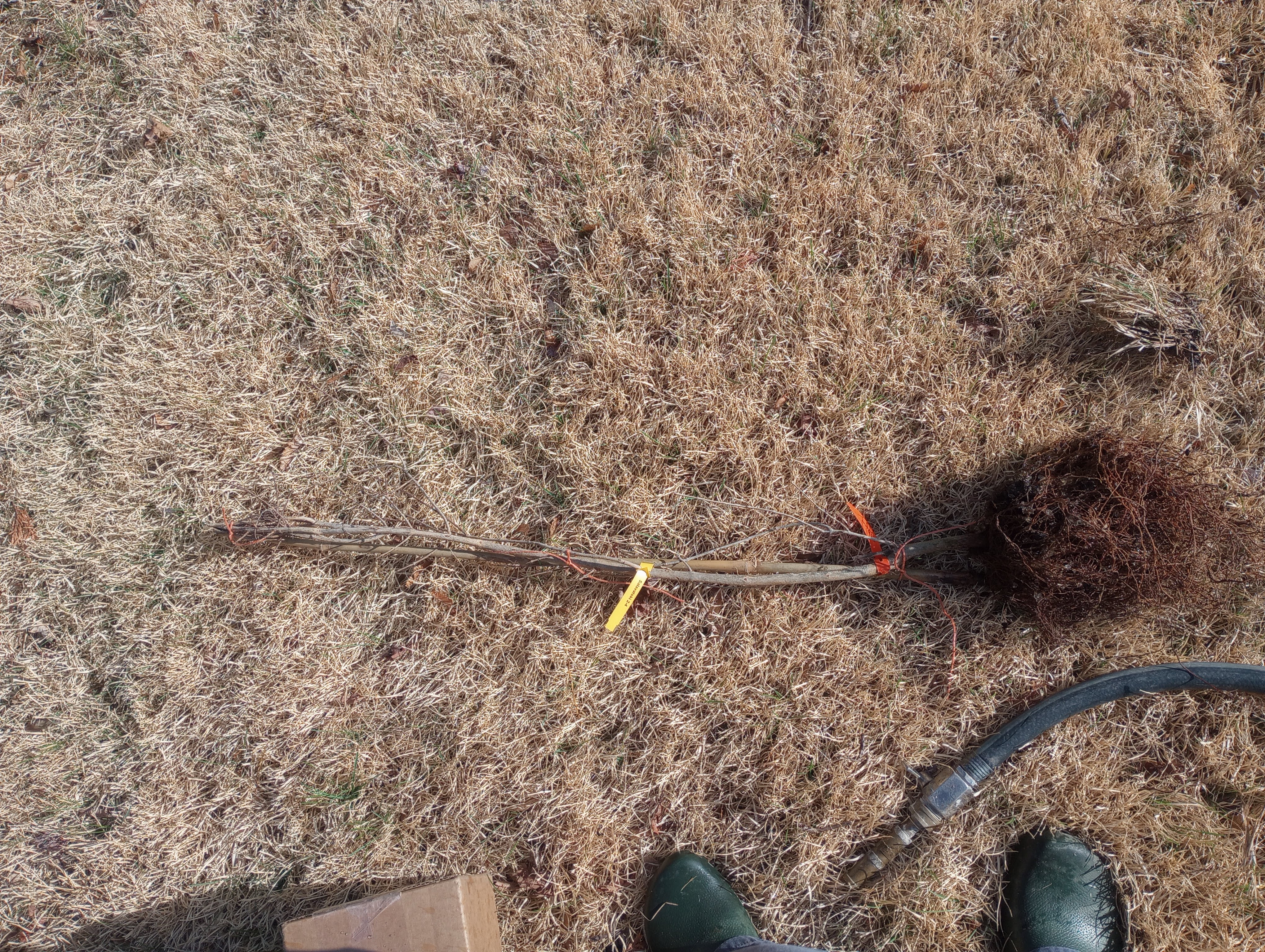
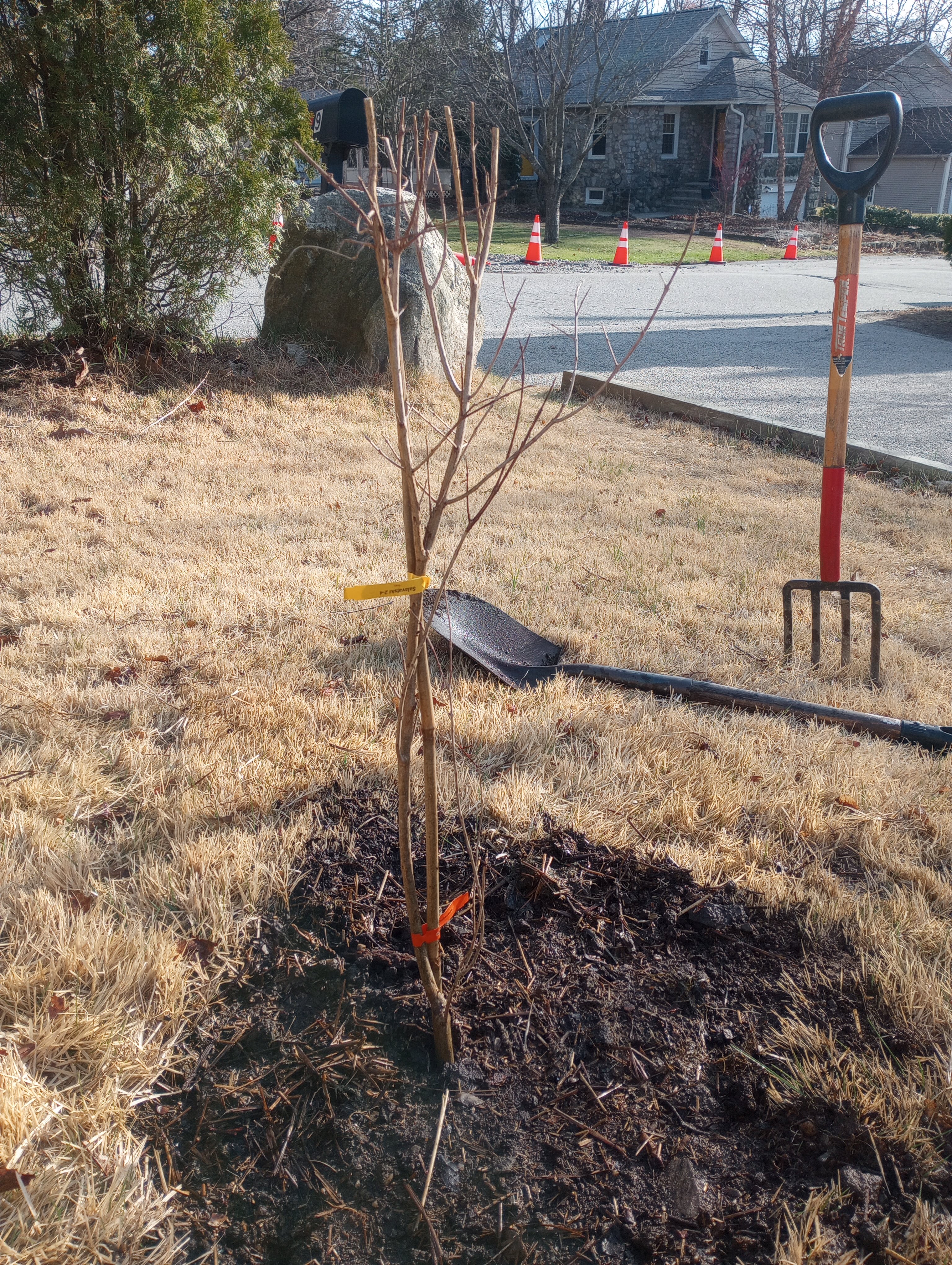
Then it snowed on April 11th AND April 12th. There was enough snow that the plows were sent out.

Today, April 14th, the high temperature was 66F. (That would be almost 19C, if you live outside the USA.) Yes, there have been years when I have already planted cool weather crops by this date. This is not going to be one of those years. That is how it goes here in New England.
Before the snow fell, I did manage to get my raised beds turned over. This is a trick I learned years ago, and I stand by it. If you turn over your soil early, many of the weed seeds in the soil will sprout. In a few weeks, turn the soil again to smother the weeds. If you can do a third turn-over before planting, all the better. With all those weeds sprouted and smothered, you will have fewer weeds to pull during the growing season.
Unfortunately there was one bed I could not turn over. One bed has been invaded and currently houses a fluffle of baby eastern cottontail rabbits. Yes, the proper word for a nest of baby wild rabbits is “a fluffle”. A very wily momma made it under or around the electrified fencing that encircles the raised beds and hid her litter there.
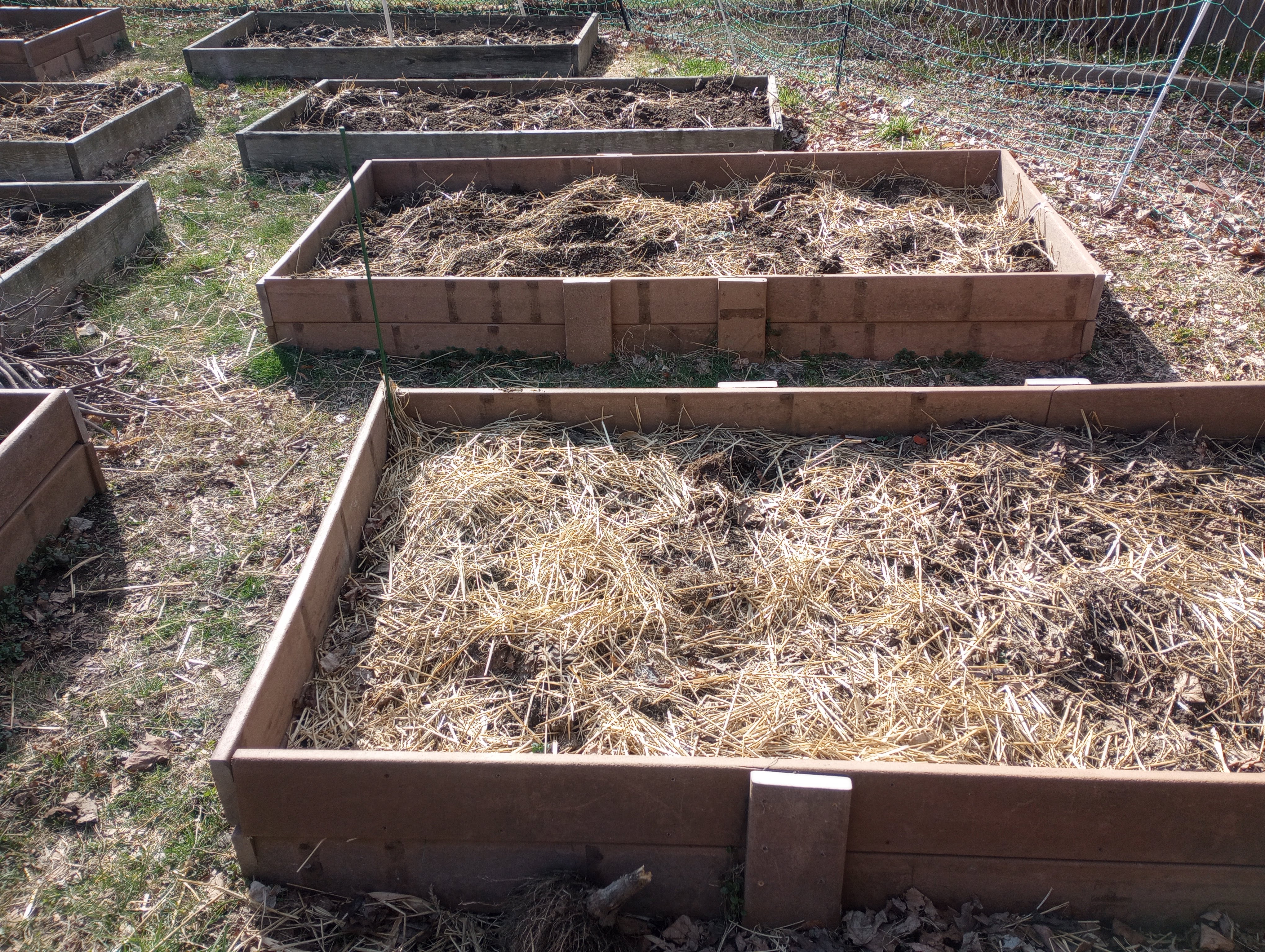
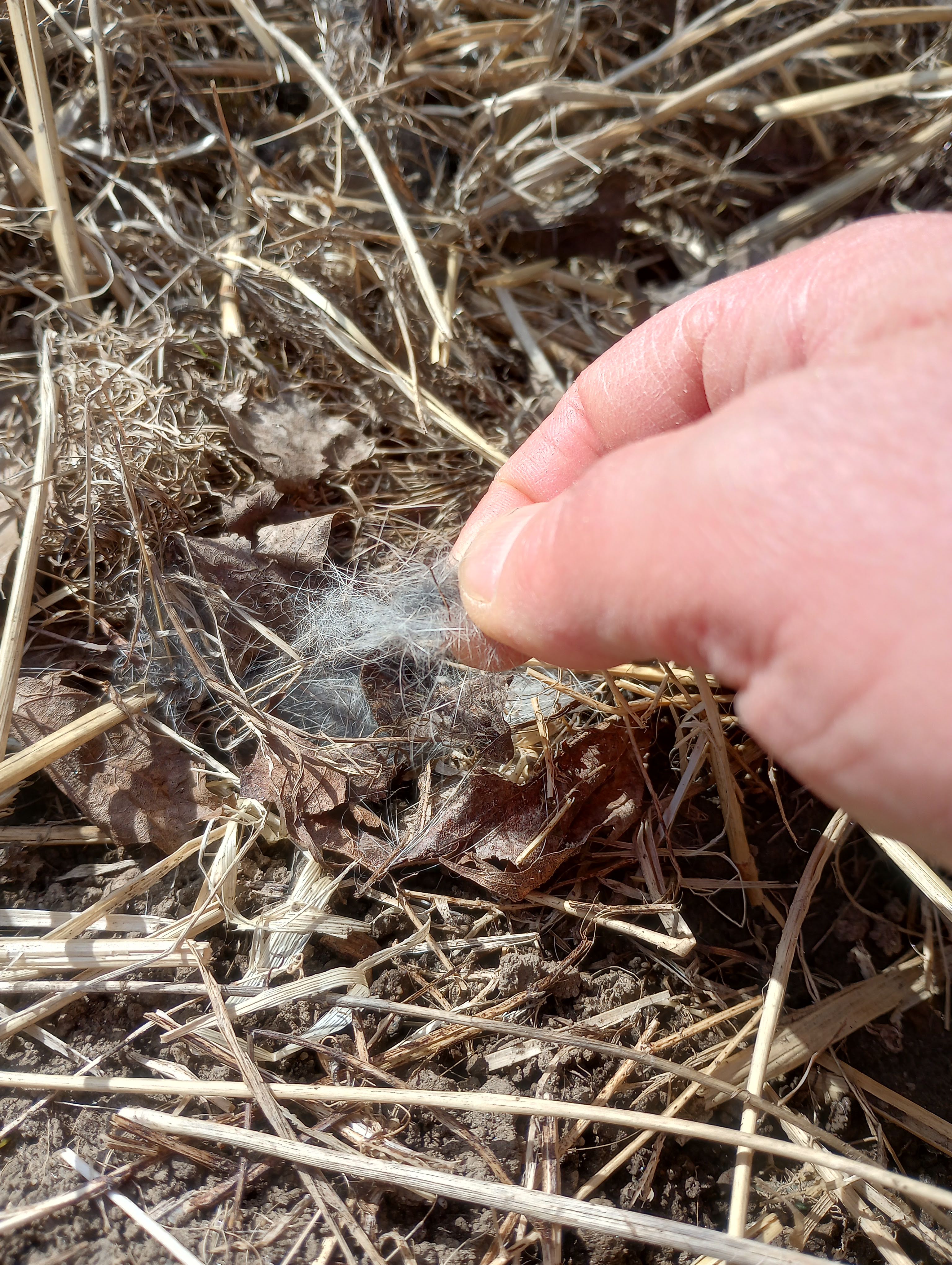
To say I was surprised is an understatement. I took up a pitchfork full of dirt, and the dirt started hopping away! Fear not, no bunny was injured. I carefully moved everyone back into the nest, covered them up, and left them alone. That is exactly what you should do if you encounter baby wildlife this time of year. Unless the younglings are clearly injured or in distress, or you are certain the mother is dead, those babies will be perfectly fine. The Wildlife Center of Virginia has an excellent website that spells it all out.
The problem this presents is that we will need to secure the perimeter around the raised beds, but not just yet. Momma Rabbit still needs to tend to her fluffle for a bit. After they have outgrown the nest, we need to make sure none of them can come back to eat our vegetables. The Wildlife Center website notes that the bunnies leave the nest after 2-3 weeks. I will plan Bunny Eviction Day for the first week of May.
Nature is unpredictable. We can not control the weather. (Although, we do enjoy complaining about it here in New England.) No matter how we work to exclude wild animals from our plantings, they will find a way in. It is easy to get impatient with less-than-lovely weather or frustrated with crafty critters. I have to remind myself to just roll with it. What surprises has your garden given you? Share in the comments section!
