Now We Are Six…How Did I Miss That?
I’m sure I have said this before- the best ROI (return on investment) for home food production is planting fruit trees. They produce for years, if not decades. Many fruits can be easily stored for months. If they can not be stored for months, they can typically be preserved by canning in a water bath, freezing, or drying. Despite the best efforts of the local squirrels, our Asian pear tree and fruit salad tree have already paid for themselves. From now on, we can enjoy delicious profits. Recently, I learned there are Russian pomegranate varieties that can withstand the cold. Why would I not grow a pomegranate tree?
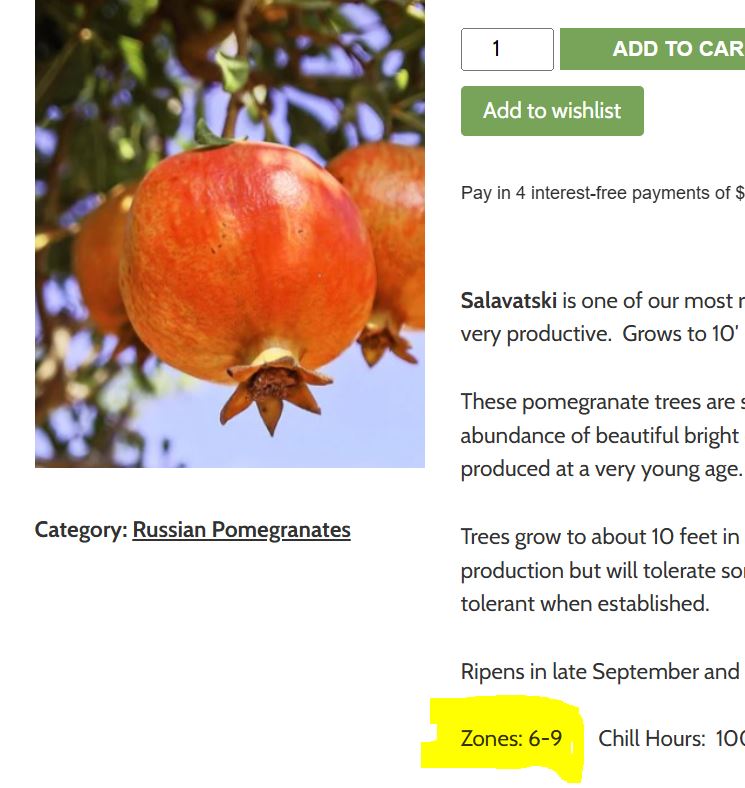
Well, one reason is central Massachusetts is in USDA Plant Hardiness Zone 5. As you can see, this cold-hardy pomegranate tree is recommended for USDA Plant Hardiness Zone 6 though 9. But wait… somehow I missed a HUGE announcement by the USDA (United States Department of Agriculture) in 2023. They have redrawn the map and central Massachusetts is now squarely in Zone 6. What the frell?
So what actually is a USDA Plant Hardiness Zone? If you did not click and read the first link, USDA Plant Hardiness Zone is determined by the lowest low temperature typically recorded at a particular place and also the typical first and last frost dates. This helps growers (both home gardeners and farmers/orchardists) choose varieties of annual crops (herbs, flowers, fruits and vegetables that come back year-to-year) that will thrive long-term. Also, it helps growers plan when to plant crops to avoid frost. It is a long-range generalization of expected weather patterns, not a prediction of temperature on any one particular day.
I must preface by saying This Is Not A Political Blog. The USDA has analyzed the lowest low temperature recorded over 30 years in places all across the nation. The lowest lows have moved north in some places, so some places are now in “warmer” USDA Plant Hardiness Zones than they were in 2012, the last time the USDA updated their map. THIS IS NOT A POLITICAL BLOG, but note that nowhere in the USA is in a colder Plant Hardiness Zone than it was before.
So, yes, I have ordered a pomegranate tree from the same nursery where I purchased my other fruit trees. Where will I plant it? I suppose I should decide that now. The tree gets to be 10 feet tall with a 10 foot spread and requires full sun (6 hours of direct sunlight per day). I could make some adjustments to the plants along our back fence and plant it there. However, that over-hanging maple tree will block a good deal of that sun once it leafs out in the spring.
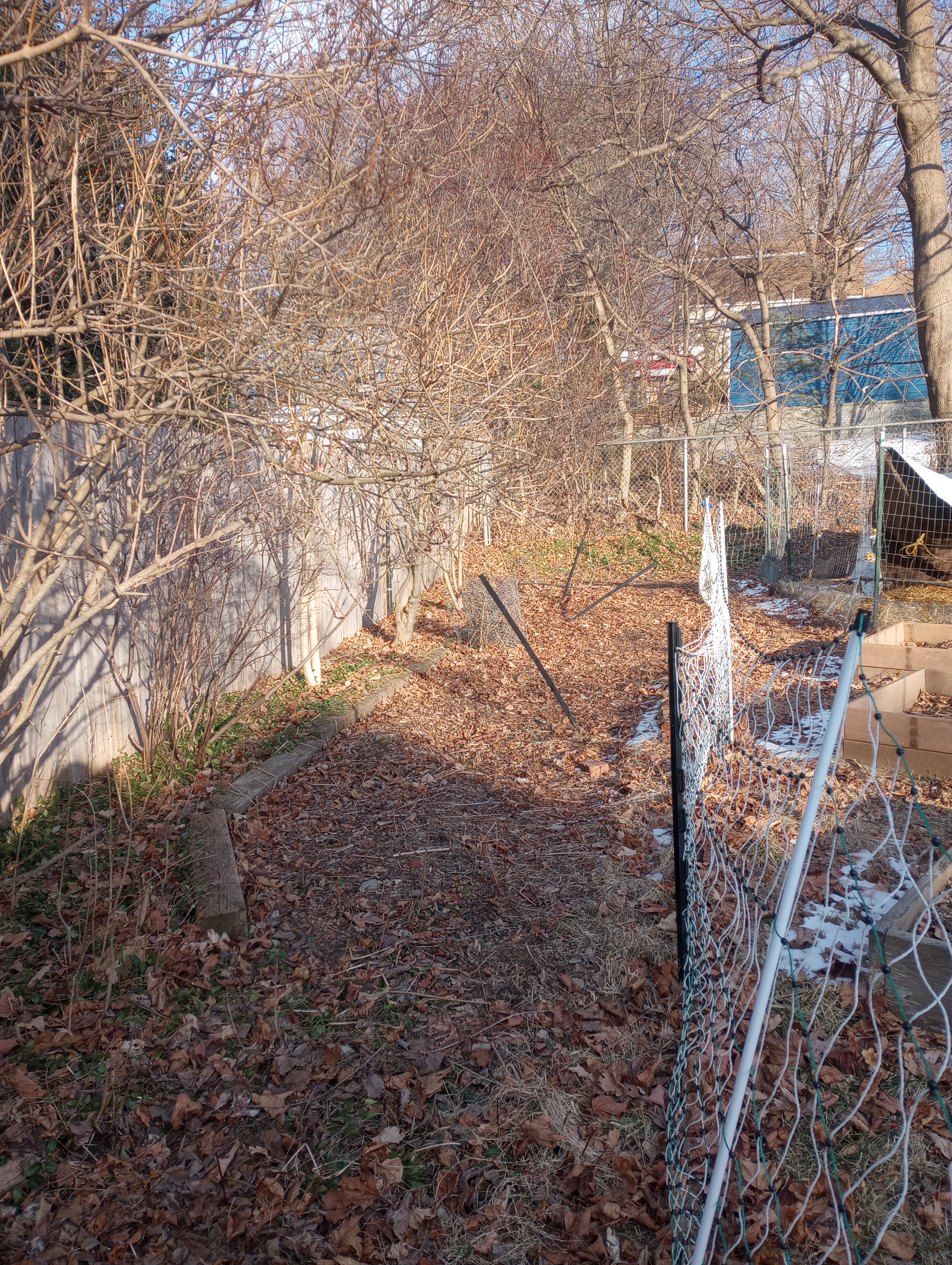
We get full sun all year right here by the kitchen door. I can easily relocate my rhubarb. However, I am not keen on the idea of tree roots so close to the foundation of the house. I’ve heard some stories.

Oh look- we have a perfect space along the back of the garage. It is sunny, and it is next to the compost pile, so fertilizing will not be a problem.

Things change. Science can identify and quantify changes. Science does not care about politics, science cares about data. What changes have you seen in your area? How have these changes affected your DIYet? Share in the comments!

Hi! I also live in central Mass, and coming across this post has me very excited! How did the pomegranate end up doing? I’m considering growing the same variety.
It’s in the snow-blower-zone next to our driveway, so we put some burlap around it for winter protection. I have not yet unwrapped it, but I poked at it a bit and the tips of the branches don’t feel dead. I’ll keep you posted.